Does a Muscle Pump Mean Muscle Growth?
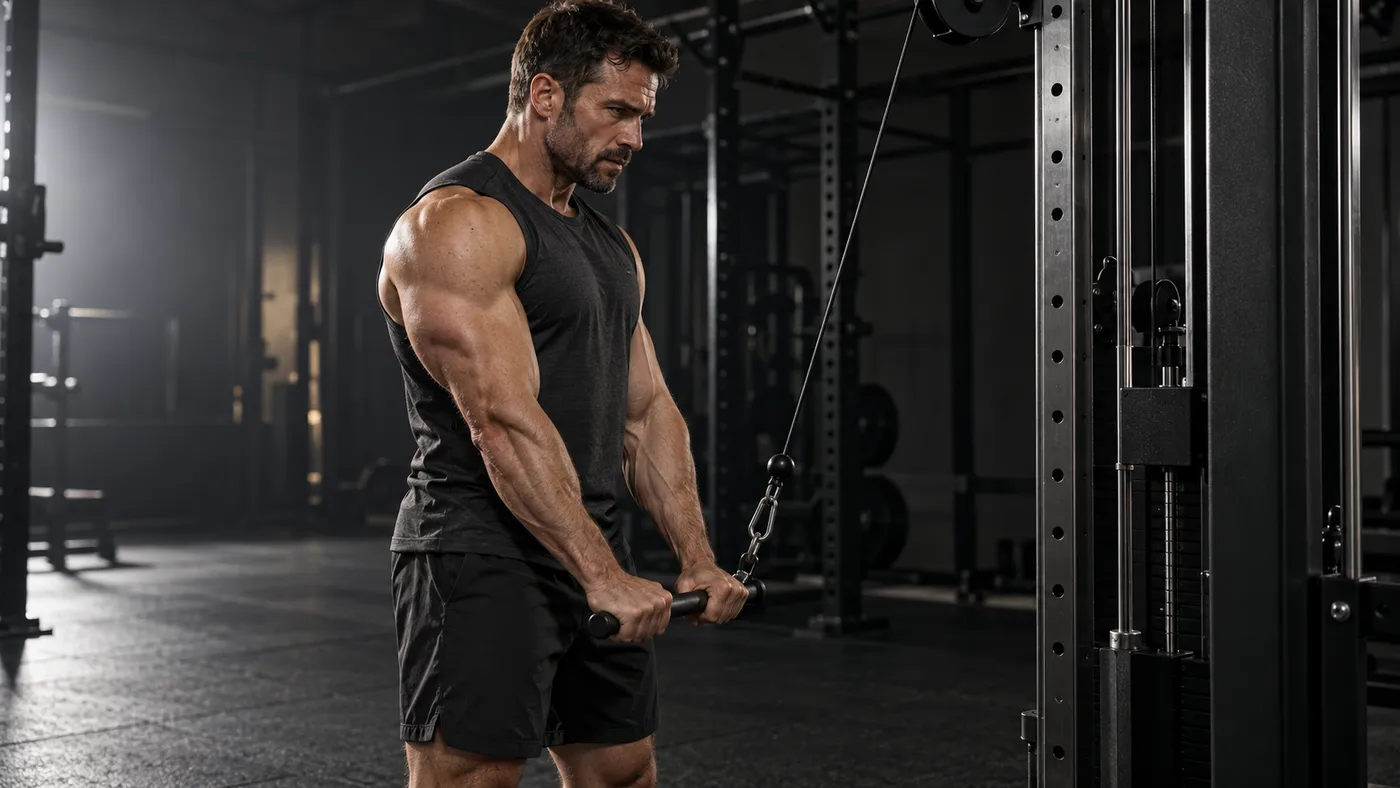
A muscle pump is temporary fullness during or after training. It can accompany a productive workout, but it does not prove that you have built muscle, and a less noticeable pump does not establish that your session failed. Lasting growth needs to be evaluated over time, away from the immediate effects of a set.
That distinction matters when your arms look bigger in the gym mirror, then look ordinary again by dinner. You haven’t lost a workout’s worth of muscle. You’re comparing two different temporary states.
What is a muscle pump?
The gym term pump describes the fuller, tighter feeling in a working muscle associated with increased blood flow and fluid shifts during exercise. Hypertrophy means a lasting increase in muscle size. A temporary increase in size and a lasting adaptation are different outcomes.
Researchers can measure acute changes with ultrasound; your impression in the mirror is a much less controlled observation. The feeling, the visible change, and a laboratory measurement are related ideas, but they aren’t interchangeable measurements.
In a small study of eight trained men, a lower-load protocol produced more immediate muscle swelling than a higher-load protocol with similar volume load. The experiment measured responses to individual sessions, not which approach built more muscle over months. Its result helps explain why a bigger pump cannot settle that second question.
Does research connect the pump with growth?
There is research behind the question, so dismissing the pump as meaningless goes too far.
A six-week study of 22 untrained men found a positive association between ultrasound-measured swelling after the first session and subsequent muscle growth. That was a specific group and training protocol. It did not establish that making yourself feel more pumped causes more growth, or validate a daily pump rating for experienced lifters.
The practical interpretation is narrower than either slogan you might hear in the gym: a pump can occur alongside useful training, but chasing a larger one is not a proven way to rank every exercise or session.
You also cannot turn an association across people into a rule that your next workout must feel fuller than your previous one. Those are different comparisons.
When chasing the feeling changes the workout
Imagine finishing your planned sets with the expected reps and effort, but less fullness than you wanted. You shorten the next rest, add a finisher, and keep going until the sensation arrives.
You now have a different training dose. The extra work might fit your goals, but the missing pump alone did not establish a need for it. The same applies to swapping a familiar exercise solely because another one gives a more dramatic sensation.
Before changing anything, separate three questions:
- What did I feel? Fullness, a burn, or a strong local contraction.
- What did I do? The actual sets, load, reps, rest, and effort.
- What is changing over time? Repeatable performance and body-size trends.
Enjoy the first answer. Use the other two to give it context. If shorter rests repeatedly reduce the work you can perform, reconsider that tradeoff rather than automatically rewarding the bigger pump.
Compare your body outside the pump
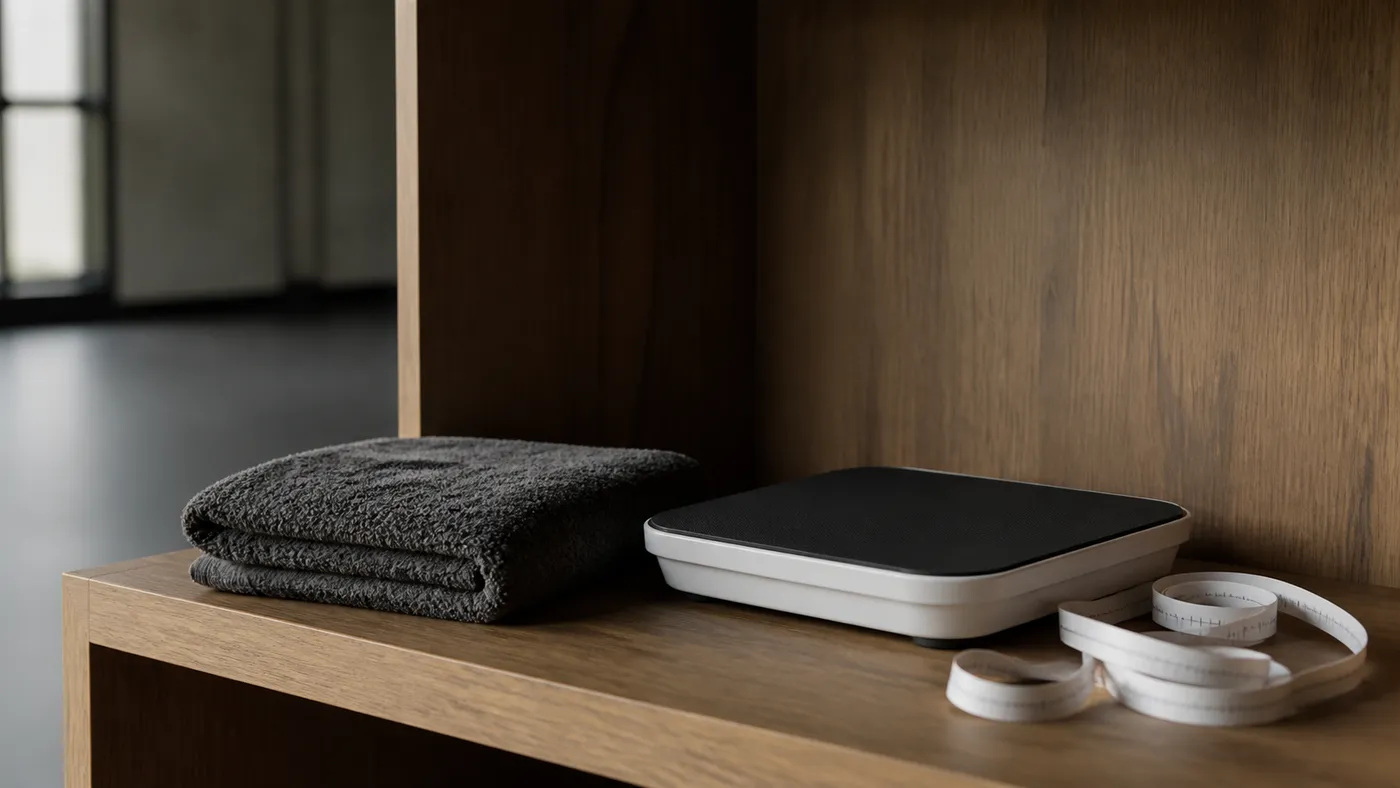
A post-workout arm measurement answers a different question from a relaxed measurement before training. Mixing the two can make ordinary fluctuations look like rapid growth or sudden loss.
For useful comparisons, keep the timing, measurement location, tape tension, and relaxed or flexed position consistent. Compare several check-ins rather than one reading. Photos also need similar lighting, distance, and posture to be interpretable.
Circumference still isn’t a direct measure of muscle tissue: body fat, fluid, and measurement error can affect it. Pair it with your training record instead of treating a single number as a verdict. Our guide to tracking body measurements for muscle growth explains that process in more detail.
What to do after a low-pump session
If your planned work went normally, finish the session without inventing a problem to solve. You don’t need a replacement finisher to make the workout count.
If performance also dropped, review what actually changed: rest periods, exercise order, load, or how much work you had already done. A useful observation is specific: “Shorter rests; fewer reps on the last two sets.” “Bad pump” alone gives your future self little to act on.
If several weeks show disappointing performance and body-size trends, investigate the broader training and recovery picture. That deserves more thought than adding sets until a muscle feels full. There is no universal pump target you need to hit before leaving the gym.
Let the pump be an enjoyable part of training. Keep the evidence you will need later in Steady: the sets, reps, and loads you actually performed. A good session should still make sense when the temporary fullness has faded.
Ready to start applying progressive overload?
Ditch the spreadsheets and complex notes. Join thousands of lifters who use Steady to focus on the workout, track their progress, and automatically know when to add weight.
Download Free for iPhone