All articles
Does a Muscle Pump Mean Muscle Growth?
A muscle pump is temporary fullness, not proof of growth. Learn what the research says and how to judge a workout without chasing the feeling.

How to Find a Gym Exercise When You Don't Know Its Name
Learn how to identify a gym exercise from visual clues, narrow the options safely, and use Steady's Gallery View to find it faster.

How to Share a Workout Program With Your Trainer
Send your workout program as readable text from Steady. Choose which details to include and add context that helps your trainer give useful feedback.
Rest Days vs Deload Weeks: How to Choose
Learn the difference between a rest day and a deload week, when each one helps, and how to choose recovery without losing your training momentum.
How to Feel Less Self-Conscious at the Gym
Feel more comfortable at the gym with practical ways to ask for help, share equipment, handle comparison, and make unfamiliar spaces easier to use.
How to Tell If You Met Your Workout Targets
Learn how to compare your planned workout targets with what you actually performed, then choose a sensible next step without overreacting to one session.

Will a Week Off the Gym Cause Muscle Loss?
A week without lifting usually won't erase your muscle. Learn what short training breaks can change, what research shows, and how to judge your return.

How to Build a Machine-Only Workout Plan
Build a machine-only workout plan that covers the major movement patterns, fits your schedule, and is simple to progress.

Workout Tonnage: What the Total Tells You
Learn how to calculate workout tonnage, compare similar sessions, and spot when a higher volume total says little about strength or muscle growth.
Stimulus-to-Fatigue Ratio: A Practical Guide
Learn what stimulus-to-fatigue ratio means, why it matters for strength training, and how to choose exercises and sets that keep paying off.
Squat Shoes vs Flat Shoes: Which Should You Lift In?
Squat shoes and flat shoes both work. Learn how heel height, stability, ankle mobility, and your main lifts should guide the choice.

Strength vs Power: What's the Difference?
Strength is force capacity; power combines force and speed. Learn how the difference changes the way you interpret effort, training, and progress.

Why Do Warm-Up Sets Feel Heavy?
Heavy warm-up sets are often a normal slow start, not a bad workout. Learn how to tell when to continue, adjust the session, or take recovery.
Strength Training With a Physical Job
Learn how to balance strength training with a physically demanding job by managing fatigue, adjusting targets, and keeping your progress realistic.
Circuit Training vs Strength Training
Circuit training and strength training solve different problems. Learn when each format fits your goal, schedule, and recovery.
Best Workout App for Custom Routines
Find the best workout app for custom routines: flexible programming, precise set targets, useful history, and no forced templates or social feed.
Dumbbells vs Barbells: Which Should You Use?
Dumbbells and barbells both build strength and muscle. Learn where each shines, how they differ, and how to choose the right one for your training.
Workout Plan vs Training by Feel
A workout plan gives training direction; training by feel handles real-life variation. Learn how to combine both without losing progress.

How to Track a Deload Week
Learn what to log during a deload week, how to separate it from normal training data, and how to use the return to training to judge recovery.
Customize Your Exercise Library for Your Gym
Learn how to make your exercise library match the equipment you actually use, so choosing movements stays fast and practical.

How to Keep Training While Traveling
Keep your strength-training habit alive while traveling with a flexible plan, realistic expectations, and simple decisions that reduce friction.

Should You Train at the Same Time Every Day?
Training at the same time can help consistency, but it is not required. Learn when a fixed workout time helps and when flexibility works better.
How to Build a Push Day Workout
Build a balanced push day for chest, shoulders, and triceps with the right exercise order, volume, and practical workout examples.

Strength Training vs Bodybuilding: Which Should You Choose?
Strength training and bodybuilding overlap, but they prioritize different outcomes. Learn how to choose the focus that fits your goal.
How to Build a Shoulder Workout
Build an effective shoulder workout with balanced pressing, lateral raise, and rear-delt work, plus practical sets, reps, and progression rules.
How to Compare Planned and Performed Weekly Sets
Compare the weekly sets your program calls for with the work you actually complete, then make a calm adjustment instead of guessing.

How to Build a Dumbbell-Only Workout
Build an effective dumbbell-only workout with a simple movement plan, practical exercise choices, and a progression rule you can repeat.
How to Build a Full-Body Workout
Build an effective full-body workout with the right movement patterns, exercise order, sets, reps, and weekly schedule.

Late-Night Workouts and Sleep
Learn how to keep late-night workouts compatible with sleep by managing caffeine, session intensity, and your wind-down routine.

How to Build a Pull Day Workout
A good pull day trains vertical pulls, horizontal rows, rear delts, and biceps without turning back day into a random exercise list.
How to Plan a Maintenance Phase
A maintenance phase lets you hold strength and muscle with less training stress. Here's when to use one and how to structure it.

How to Stop Restarting Your Workout Every Monday
Stop treating every missed workout as a reset. Build a strength-training routine that survives ordinary weeks and makes returning feel simple.
How to Use Supersets Without Hurting Performance
Supersets save time, but poor pairings can reduce strength, technique, and progress. Learn how to use them without turning every set into fatigue.

How to Import a Workout Program Into Steady
Bring an existing workout program into Steady from photos, scanned pages, pasted text, or a supported file—then review and make it your own.

How to Know When to Stop a Set
Stop a set when the next rep would break form, miss the target, or turn a useful hard set into unnecessary fatigue.
How to Add Unilateral Exercises to Your Routine
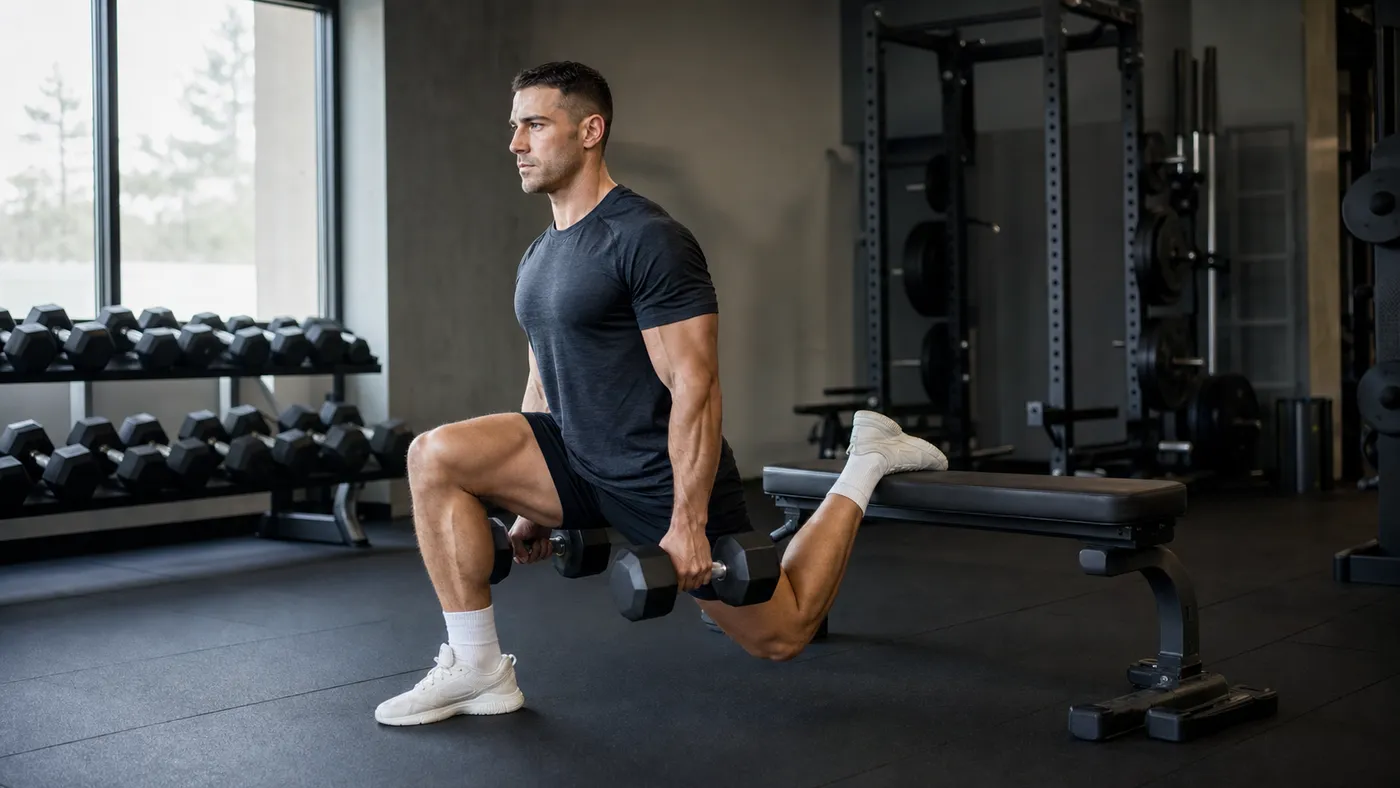
Learn when to use unilateral exercises, where to place them in your workout, and how much volume they need without overcomplicating your routine.

Forgot to End Your Workout? What to Do
Forgot to end a gym workout? Learn when to finish, resume, or discard it so your workout history stays useful.
When to Add More Sets
Add more sets when progress has stalled, recovery is solid, and your current sets are still high quality. Here's how to increase volume without overdoing it.

How to Make It to the Gym After Work
Make after-work training easier to repeat by reducing decisions, planning for real energy and building a routine that survives ordinary evenings.
When to Reduce Training Volume
Learn when reducing training volume is the right move, how to cut sets without losing progress, and how to rebuild momentum after recovery improves.
How to Build a Weekend-Only Workout Plan
Build a weekend-only workout plan that trains your whole body, manages two back-to-back sessions, and still leaves room to progress.
How to Plan Exercise Substitutions
Build a simple exercise substitution map so crowded gyms, missing equipment, and small adjustments do not derail your workout plan.
Music vs Silence for Lifting: Which Is Better?
Music can raise energy; silence can sharpen attention. Learn how to choose the gym soundtrack that helps your training instead of distracting from it.
Straight Sets vs Pyramid Sets
Straight sets are simpler to progress; pyramid sets vary weight and reps across sets. Learn which structure fits your training goal.

How to Adjust a Workout on Low-Energy Days
Learn how to adjust your workout on low-energy days without abandoning progress, forcing bad reps, or making your training log messy.

How to Train With a Changing Schedule
Keep strength training consistent when work hours change by using a flexible workout sequence instead of a rigid weekly calendar.

Active Recovery After Lifting: What Actually Helps?
Learn what active recovery is, which low-intensity activities help after lifting, and how to avoid turning a recovery day into another hard workout.

How to Use Workout History to Choose Weights
Learn how to use workout history to choose today's lifting weights with less guessing, better progression, and cleaner gym decisions.

Training Alone vs With a Partner
Training alone and training with a partner each have real advantages. Learn which setup fits your goals, schedule, focus, and safety needs.

Which Workout Changes Should You Keep?
Learn which in-session workout changes are worth saving to your routine, which should stay temporary, and how Steady helps you decide after training.

How to Use RPE Without Overthinking It
Learn a simple way to use RPE in your workout log so effort helps progression without making every set feel like homework.

What to Do When Reps Drop Between Sets
Learn why reps drop between sets, when it is normal, and how to adjust rest, load, targets, and progression without overreacting.

What Is an AMRAP Set?
An AMRAP set means doing as many reps as possible with good form. Learn when to use it, when to avoid it, and how to track it.

How to Set Workout Reminders That Work
Workout reminders work when they cue a realistic training window, not when they create guilt. Set days and times you can actually protect.
Working Sets vs Warm-Up Sets
Working sets drive progress; warm-up sets prepare you for them. Learn the difference and how to log both without cluttering your training data.
Push/Pull/Legs vs Upper/Lower: Which Split Is Better?
Push/pull/legs or upper/lower? Here's how to choose between the two most popular splits based on your training days, recovery, and goals — with honest trade-offs.

Autoregulation in Strength Training
Learn how to autoregulate strength training by adjusting load, reps, or effort to match the day without abandoning your plan.

How to Use Workout Notes Without Overcomplicating Your Log
Workout notes are useful when they explain why a set changed, how an exercise felt, or what to adjust next time. Here's what to write and what to skip.

What Is a Rest-Pause Set?
A rest-pause set uses short pauses within a high-effort set to add controlled reps with the same weight. Learn how to use it, when it fits, and how to track it.
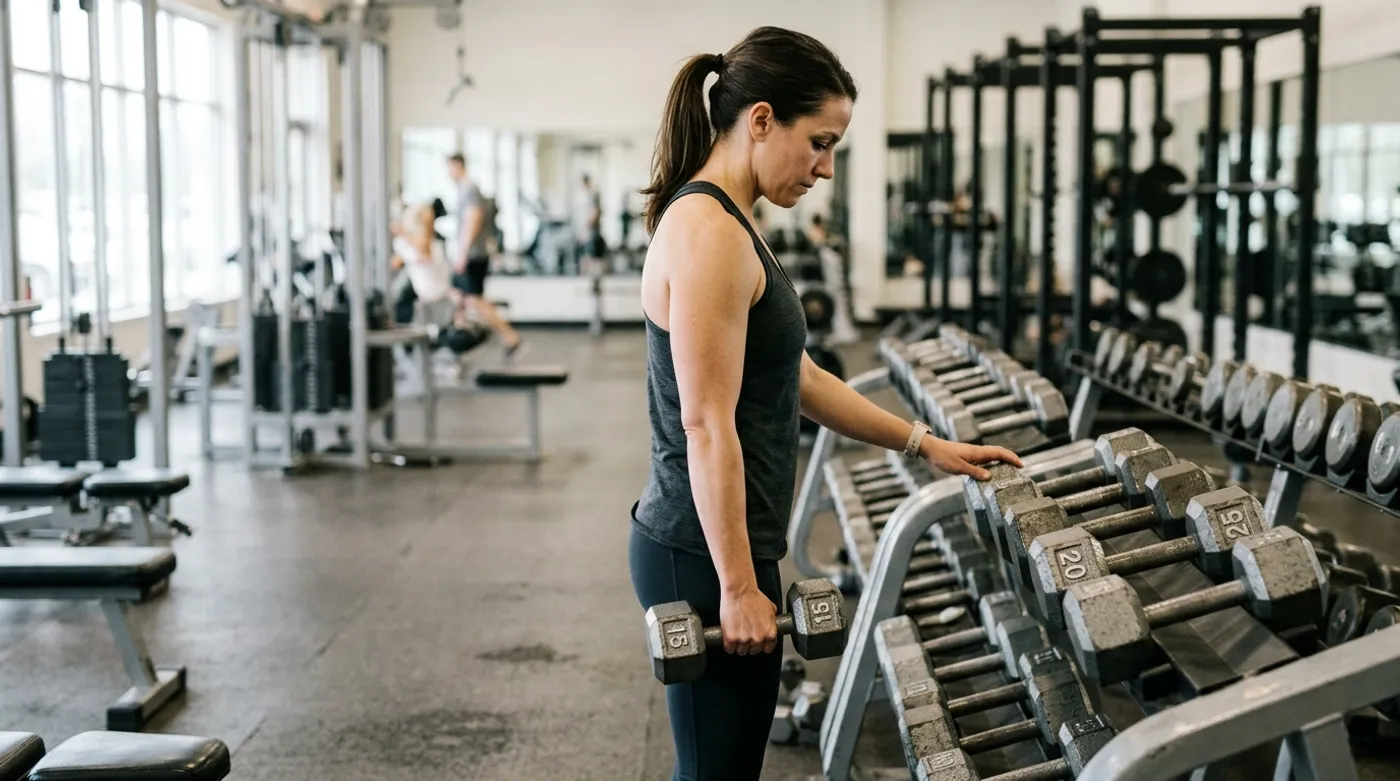
How to Choose Your Starting Weight on a New Exercise
Choose a starting weight on a new exercise: begin light, use short practice sets, then match the load to your planned reps and target effort.

How to Compare This Week's Training to Your Usual
A lower or higher training total only means something in context. Learn how to compare this week with your usual workload without overreacting.
Should You Do Cardio on Lifting Days?
Yes, you can do cardio on lifting days. The order, intensity, and timing matter more than whether you combine them. Here's how to do it without losing strength gains.
How to Plan Your First Workout at a New Gym
Plan a first workout at a new gym that helps you learn the equipment, set useful baselines, and keep your training moving forward.
What is 1RM and how to estimate it
Your one-rep max is the heaviest weight you can lift for a single rep. Here's how to estimate it from your working sets — no maxing out required.
What is a drop set?
A drop set is a technique where you reduce the weight and keep going after hitting failure. Here's how drop sets work, when they help, and when to skip them.
Best Rep Ranges for Strength, Hypertrophy, and Endurance
Rep ranges overlap more than they seem. Learn how 1–5, 6–12, and 15+ reps can support strength, hypertrophy, and endurance in one program.
Pause Reps: What They Are and When to Use Them
Pause reps add a deliberate stop to a lift. Learn how they build control, when they help strength and muscle, and how to program them without overdoing it.
Compound vs Isolation Exercises: How to Balance Both
Compound lifts efficiently train several muscles at once. Isolation work fills the gaps. Here's how to balance both in a smart routine.
How to Read Your Body Weight Trend
Learn how to use body weight trends instead of daily scale changes to make calmer, more useful training and nutrition decisions.
Rep tempo: what it means and how to track it
Rep tempo controls how fast you lift and lower the weight. Here's what the four-number notation means, why it matters, and how to track it in your workout log.

The Minimum Workout for Busy Weeks
Use a minimum workout to protect your training habit on busy weeks without cramming sessions, chasing fatigue, or abandoning your normal plan.

How to Use Heart Rate After Strength Training
Heart-rate data can explain a strength workout when you pair it with exercise context. Learn what to review, what to ignore, and how Steady helps.

How to Choose and Adjust Rest Time Between Sets
Choose rest time between sets using movement demand, training goal, and real readiness cues—then adjust it on the fly in Steady.
How to Track Machine Weights Accurately
Learn how to log selectorized and plate-loaded machine weights, setup details, and progress so your gym numbers stay comparable.

How to Train When You Don’t Feel Motivated
Learn how to keep training when motivation is low with a practical plan that lowers the barrier without ignoring recovery or safety.

How to Prepare for a Workout: A 60-Second Check
Use this quick pre-workout check to arrive with a clear plan, choose the right starting load, and avoid wasting your first sets figuring things out.

Training Density: What It Means for Strength Training
Training density is the amount of quality work you complete in a set time. Learn when it helps, when it hurts, and how to track it without overcomplicating workouts.
How to Use Workout Streaks Without Overtraining
Use a workout streak as a weekly consistency check, not a reason to force extra sessions. Set a realistic goal and let your training plan lead.

Should You Train When Sore?
Mild muscle soreness does not always mean you should skip the gym. Learn how to decide when to train, adjust the session, or take more recovery.

How to Use a Lifting Belt
Learn how to wear and use a lifting belt for squats and deadlifts, how tight it should be, and why bracing still comes first.

How to Build a Chest Workout
Build a chest workout with the right presses, fly variations, sets, and progression plan for strength or hypertrophy.
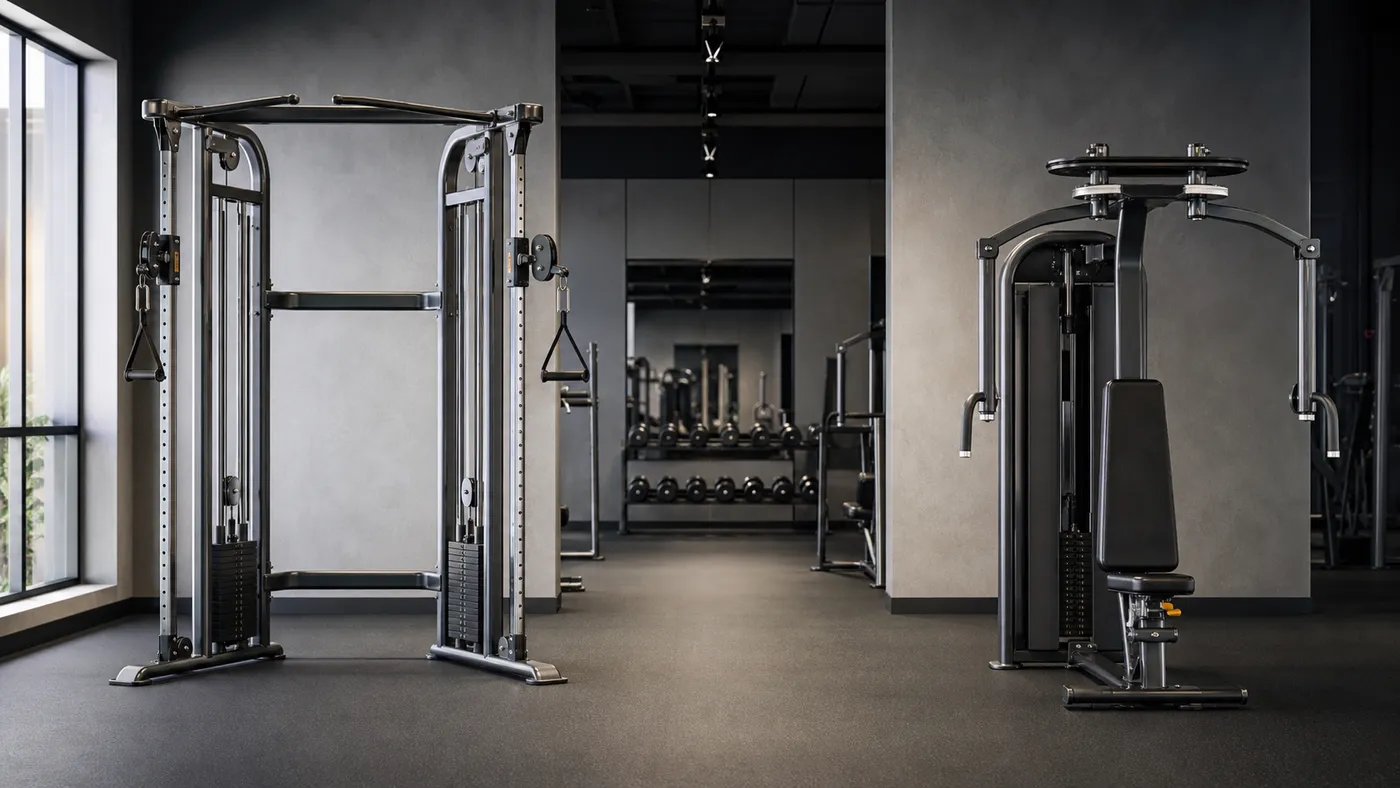
Cable Fly vs Pec Deck: Which Is Better?
Cable flies offer more setup freedom; pec decks make chest isolation more stable. Learn which one fits your goal, gym, and training plan.
How Many Hard Sets Per Exercise?
Most lifters need 2–4 hard sets per exercise. Learn when to use more, when to stop, and how to keep your session volume productive.

How Sleep Affects Strength Training
Sleep affects workout readiness, recovery, and consistency. Learn how much lifters need and how to adjust training after a bad night.

How to Use Leg Drive in the Bench Press
Learn how to use leg drive in the bench press without lifting your hips, losing your setup, or turning the movement into a confusing full-body push.
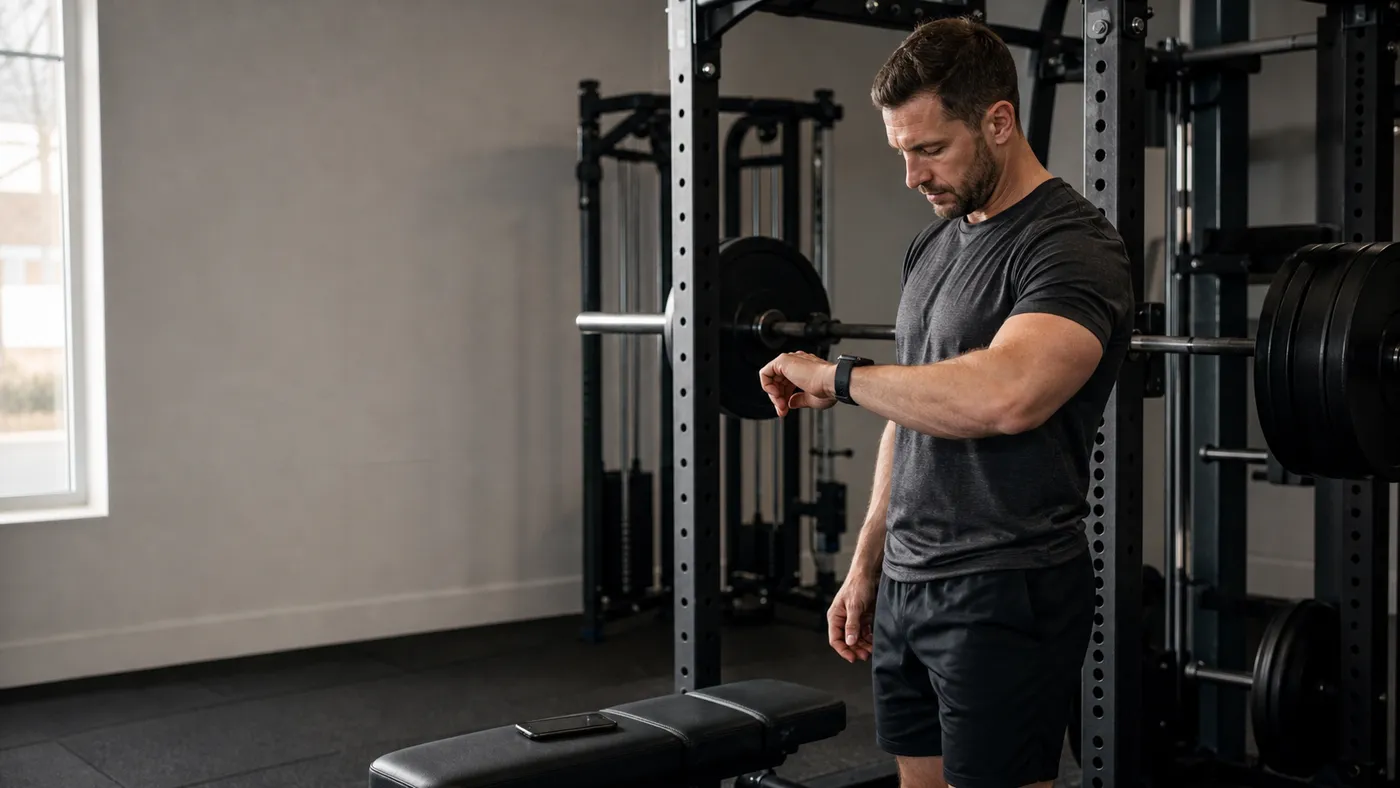
How to Control Your Workout From Apple Watch
Use Steady on Apple Watch to handle workout controls, set fixes, and session changes from your wrist while keeping your training moving.
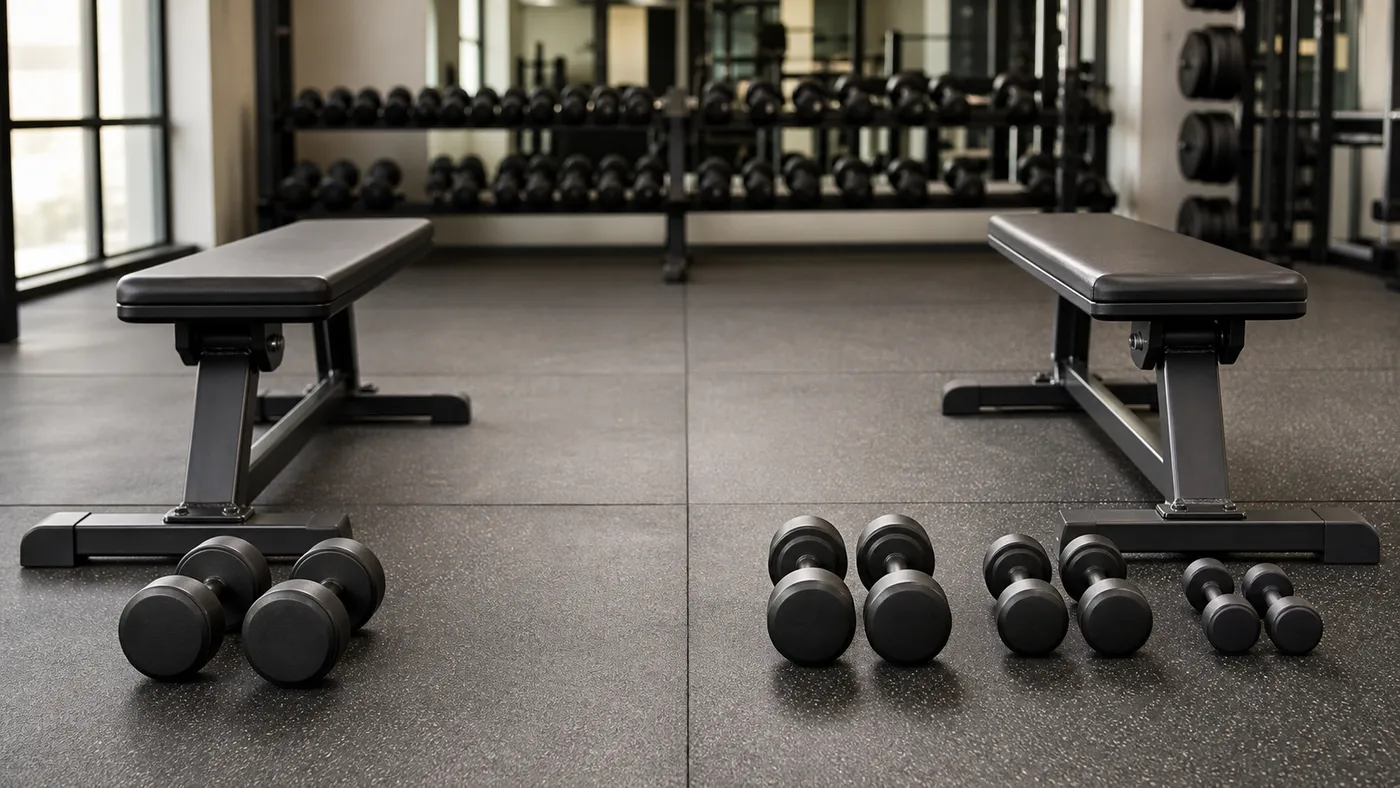
Drop Sets vs Straight Sets: Which Is Better?
Drop sets save time and raise fatigue; straight sets make progress easier to track. Learn which set style fits your goal and when to use each.

How to Find Exercises You've Logged Before
Use Steady's Performed filter to find exercises you've logged before, rebuild familiar sessions faster, and keep your workout choices consistent.

What Are Effective Reps? A Practical Guide
Effective reps are the challenging reps close to failure. Learn what the idea means, how hard to train, and why you do not need to count every rep.

How to Save Exercise Videos in Workout Notes
Use exercise note links to keep technique videos and lifting references close to the exercise, without cluttering your workout log.
How to Choose Your Next Workout Targets
Your next workout targets should reflect what you actually did last time, how repeatable it was, and how much control you want over progression.
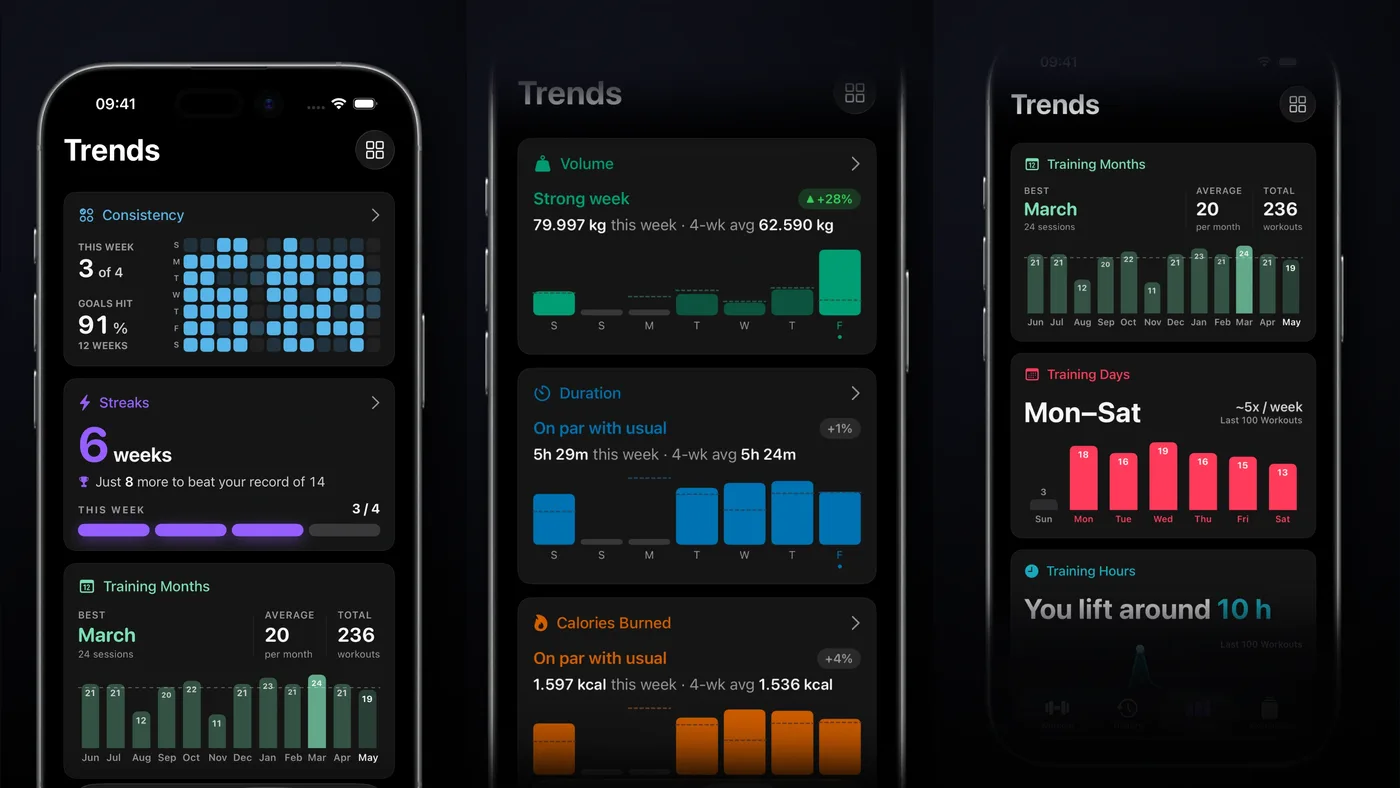
How to Customize Your Workout Trends
Learn how to customize workout trends around your current goal, choose useful metrics, and build a dashboard you can read without overreacting.
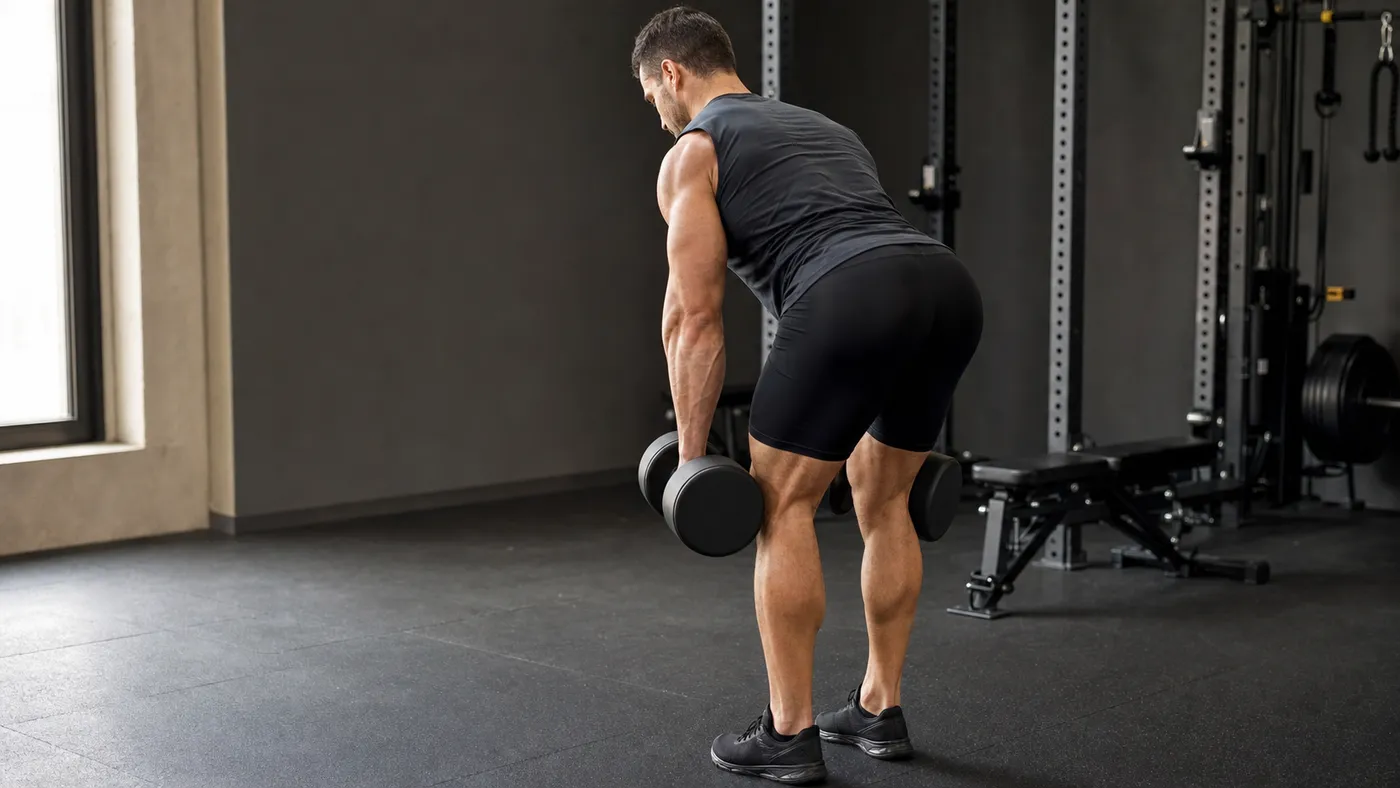
How to Build a Glute Workout
Build an effective glute workout with the right mix of hip thrusts, hinges, squats, unilateral work, and realistic weekly volume.

Consistency Wins Every Time in Weight Training
The 2026 ACSM guidance on weight training favors consistency over complexity. Here are the key findings and a practical way to apply them.

How to Build an Arm Workout
Build an effective arm workout with balanced biceps and triceps exercises, practical exercise order, and enough weekly volume for muscle growth.
How to Build an Upper-Body Workout
Build an effective upper-body workout with balanced push and pull movements, practical exercise order, and enough volume for strength and muscle growth.

How many days per week should you lift weights?
Three to five days per week is the sweet spot for most lifters. Here's how to pick the right frequency based on experience, recovery, and the schedule you can actually keep.

How to Log Form Cues
Learn how to log form cues without cluttering your workout notes, so technique improvements carry from one session to the next.
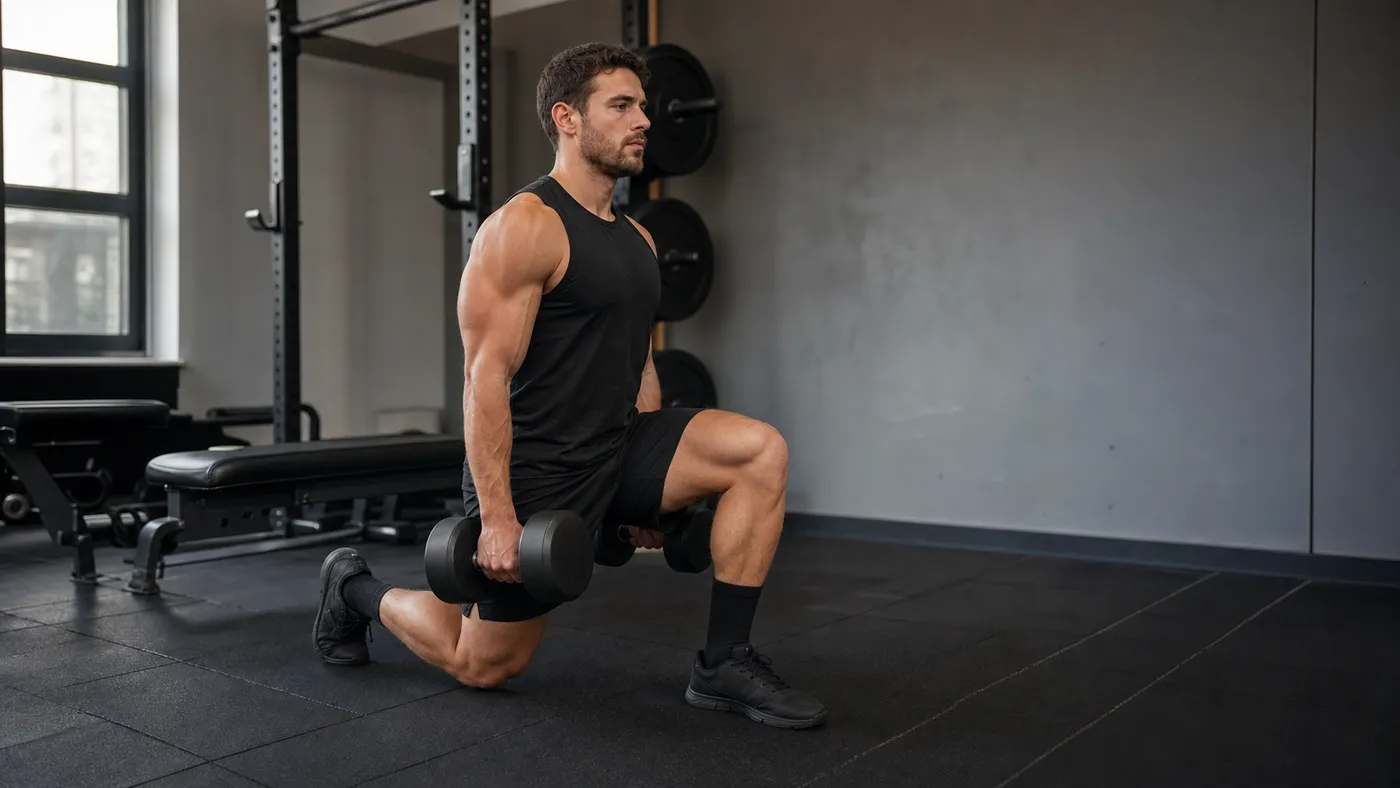
Full Range of Motion vs Partial Reps
Full range of motion and partial reps both build muscle, but they work best in different places. Here's when to use each one.
How to Shorten a Workout
Learn how to make a gym workout shorter without cutting the sets, exercises, and rest periods that actually drive progress.
How to Use Exercise Variations
Exercise variations can keep training productive, but only if you change them with a clear purpose. Here is how to rotate lifts without losing progress.
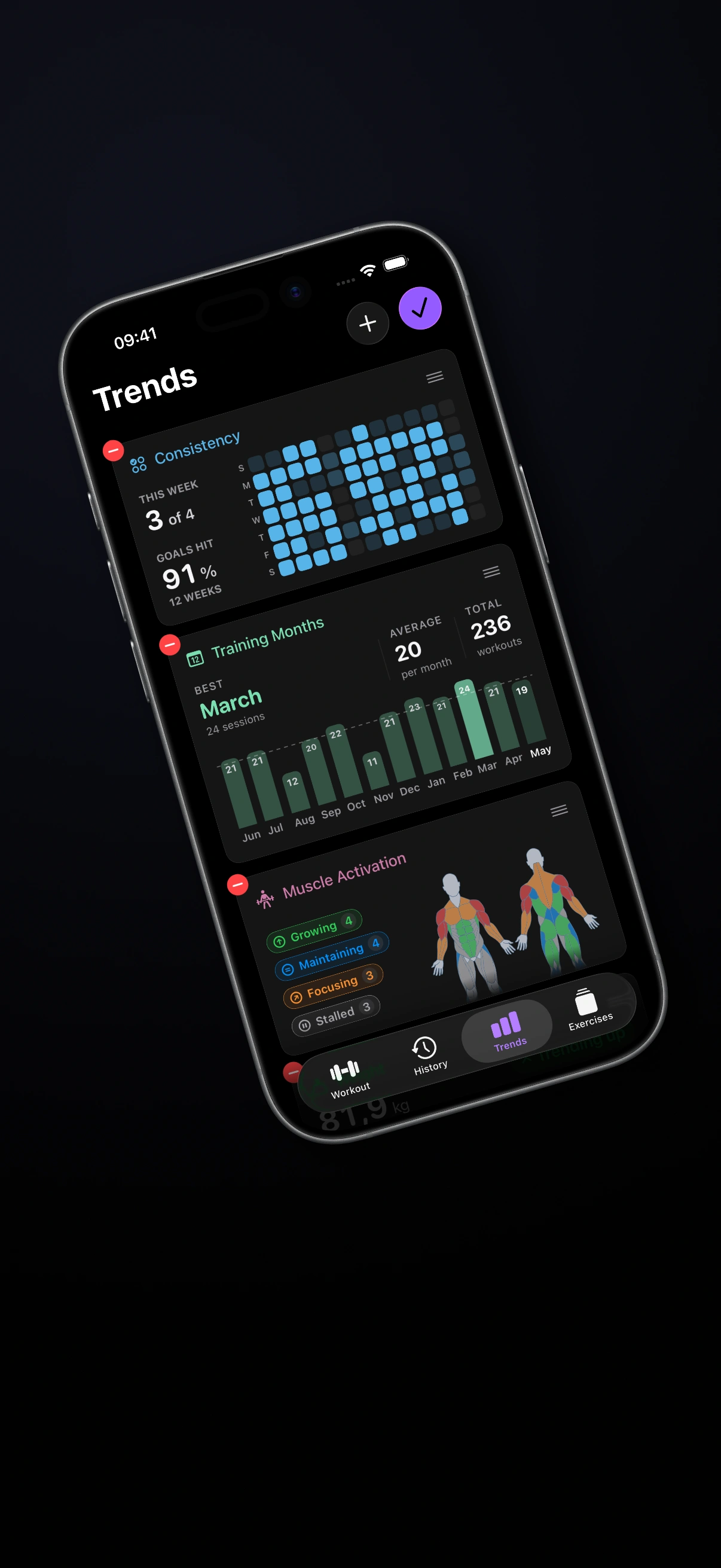
Steady 2.9: customizable Trends
Steady 2.9 adds customizable Trends widgets, richer workout details, stronger Apple Watch controls, better progression choices, and more.
How to Choose Accessory Exercises
Accessory exercises should support your main lifts, fill muscle gaps, and add useful volume without stealing recovery. Here's how to choose them.
How Long Should a Workout Last?
Most strength workouts should last 45 to 75 minutes. Here's how to figure out the right session length for your goals, split, and schedule.

How to Track PRs Without Maxing Out
Learn how to track gym PRs from normal working sets, estimated 1RM, reps, volume, and quality without testing your true max.

Should You Use Lifting Straps?
Lifting straps help when grip limits back or hinge exercises. Learn when to use straps, when to skip them, and how to track progress honestly.

How to Track Bodyweight Exercises
Learn how to track bodyweight exercises like pull-ups, push-ups, dips, and planks so your progress stays clear even without added weight.

What Is Junk Volume?
Junk volume is training work that adds fatigue without adding useful stimulus. Learn how to spot it, reduce it, and keep your sets productive.
Should You Log Missed Reps?
Yes, you should log missed reps and failed sets. They show whether the target was too aggressive, fatigue was high, or progression needs to slow down.
What Is Periodization in Strength Training?
Periodization means organizing training into phases so volume, intensity, and recovery change on purpose instead of at random.
Should You Train to Failure?
A practical guide to training to failure — when it helps hypertrophy and strength, when it hurts recovery, and how to use RIR to train smarter.

Full Body vs Split Routine: Which Is Better?
Full body or a split routine? Here's how to choose based on your training days, recovery, and goals — with honest trade-offs for each approach.
How to Adjust a Workout When Equipment Is Taken
Learn how to adjust your workout when equipment is taken without losing the point of the session or making your log harder to track.
How to Track Unilateral Exercises
Learn how to track unilateral exercises like lunges, single-arm rows, and split squats without making your workout log messy or misleading.

How to Tell If a Weight Is Heavy Enough
A weight is heavy enough when your target reps are challenging, your form stays clean, and you finish with about 1–3 reps in reserve.
Top Sets and Back-Off Sets: How to Use Them
Top sets and back-off sets let you train heavy first, then build volume with less fatigue. Learn when to use them and how to progress.

How to Use Double Progression
Double progression helps you build reps first, then increase weight once you own the top of your rep range. Here is how to use it manually or with Steady.

How Many Rest Days Between Workouts?
Most lifters need 1-2 rest days between hard sessions for the same muscle group. Learn when to train again, when to back off, and how to plan recovery.

How to Get Back on Track After Missing Workouts
Missed workouts do not ruin your progress. Learn how to restart training without overcorrecting, doing too much, or losing momentum.

How to Build a Leg Day Workout
A good leg day starts with one main lower-body lift, adds a second compound, then finishes with hamstrings, calves, and focused accessories.
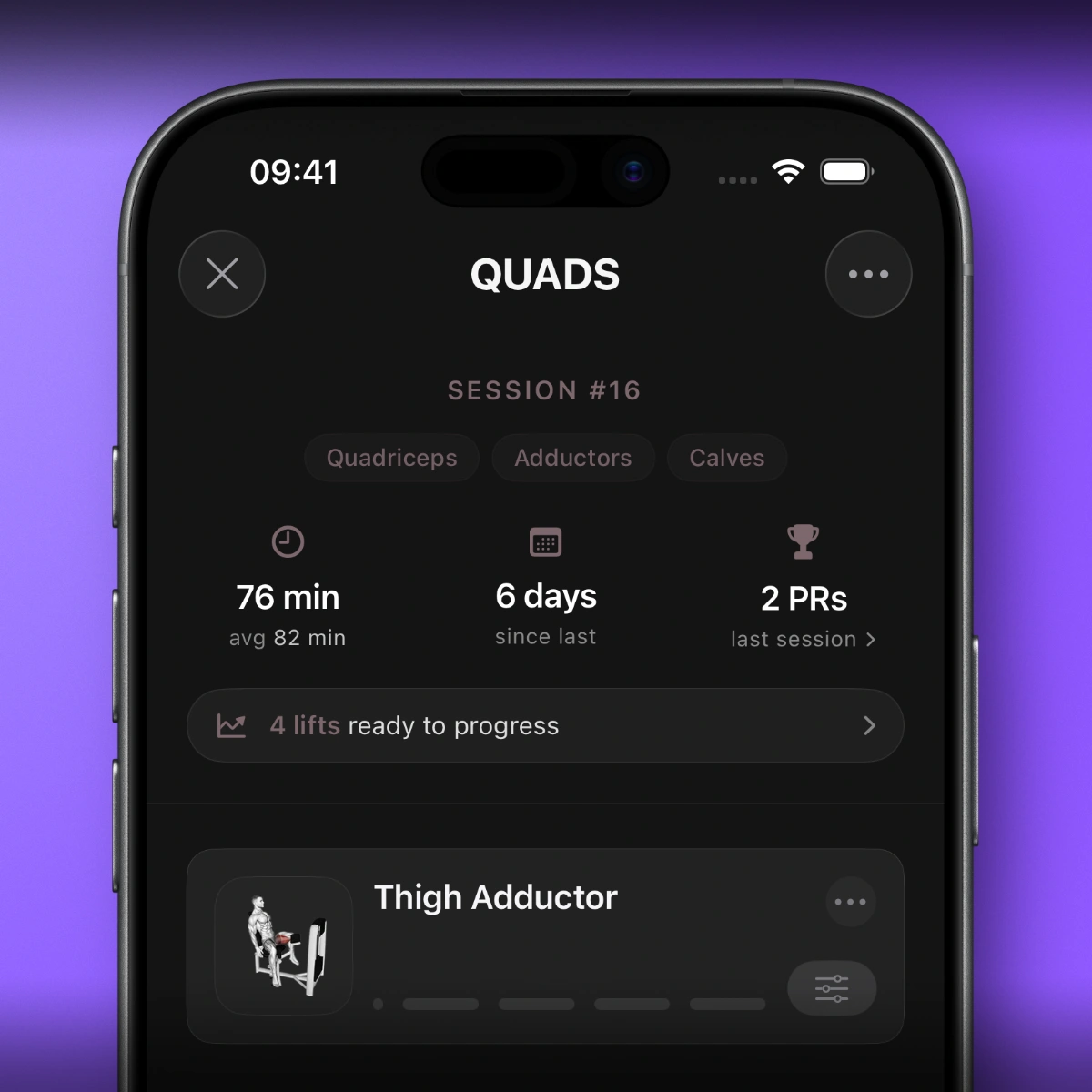
Steady 2.8: faster workouts
Steady 2.8 adds a pre-workout overview, richer streaks, more capable Apple Watch workouts, faster set logging, and refined workout controls.

How Often to Change Your Workout Routine
How often should you change your workout routine? The honest answer is less often than fitness culture says — change when your logged progress stalls, not on a schedule.

How to Choose Exercises for a Workout
Choose workout exercises by matching each movement to your goal, covering the main movement patterns, and tracking what you can progress.
What Are Pyramid Sets?
Pyramid sets change weight and reps across sets — ascending, descending, or reverse. Here's how each works, when to use them, and how to track them.
How to Build a Push/Pull/Legs Routine That Actually Works
Learn how to build a push/pull/legs routine that balances volume, frequency, and recovery, whether you train three or six days per week.

Should You Train Sore Muscles?
Mild to moderate muscle soreness is usually safe to train through. Here's how to tell the difference between normal DOMS and a warning sign — and how to adjust your session.

Exercise order: compounds or isolation first?
Compound lifts almost always come first because they demand the most coordination, the most load, and the freshest nervous system. Here's the full rule — and the exceptions.

How Often Can You Train the Same Muscle?
Most lifters grow best by training each muscle 2 times per week, with 48–72 hours of recovery between sessions. Here's how to find your own sweet spot.
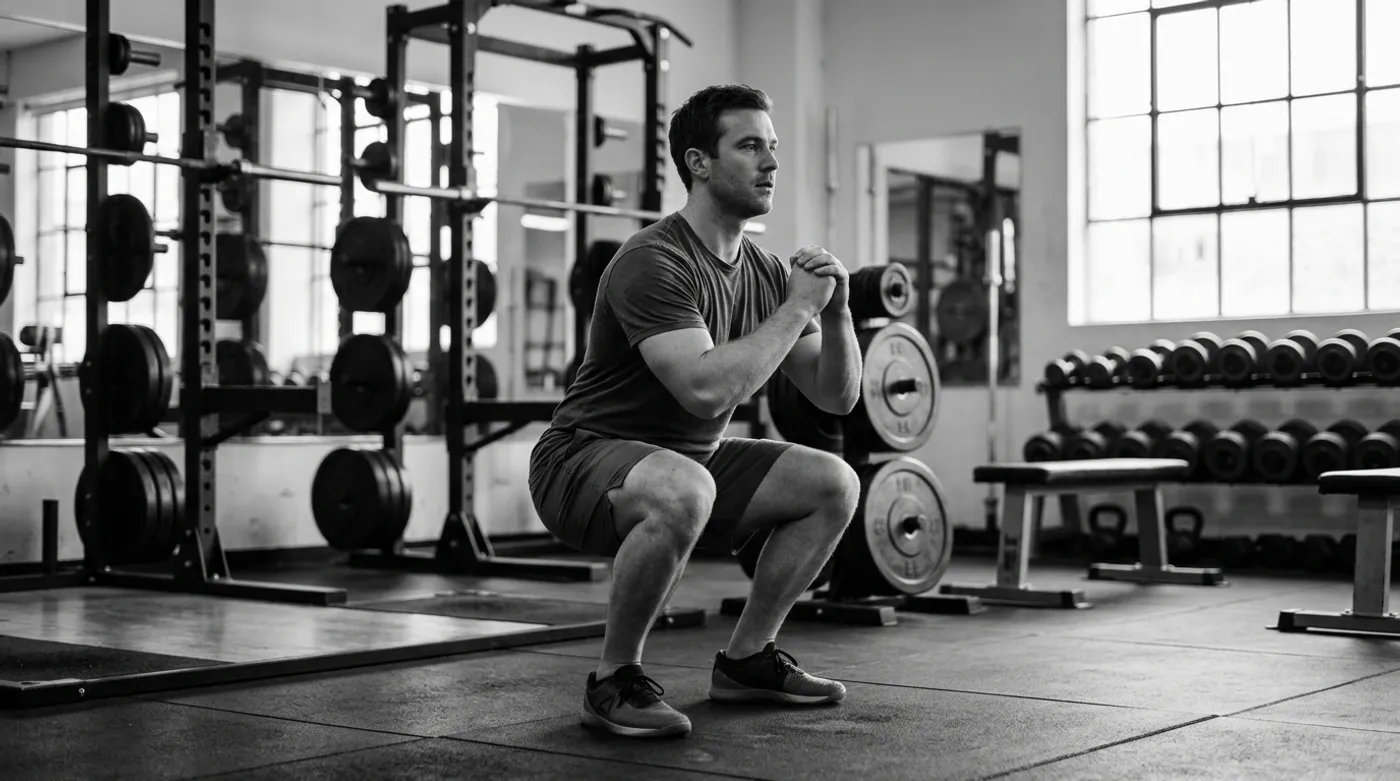
How to warm up before lifting
A complete pre-lifting warm-up takes 10–15 minutes: light cardio, dynamic mobility, then exercise-specific warm-up sets. Here's the full routine.
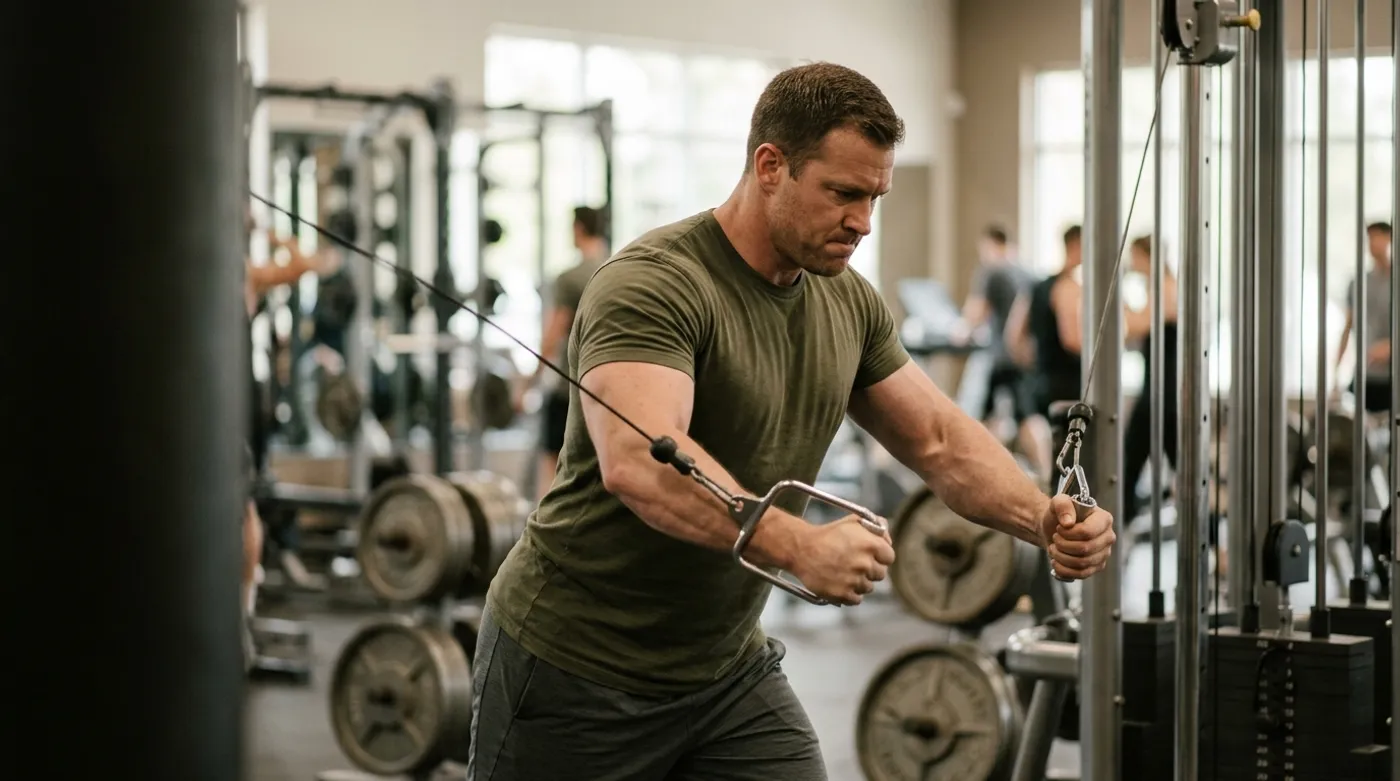
Mind-muscle connection: what it is and how to use it
The mind-muscle connection is deliberate focus on the muscle you're training during a rep. Here's what it means, when it helps, and how to actually build it.
What Is Training Volume in Weightlifting?
Training volume is the total hard work you do for a muscle each week — usually counted in working sets. Here's how it works and why it matters.
How Many Exercises Per Workout?
Most lifters do best with 4–8 exercises per session. Here's how to pick the right number based on your split, training time, and goals.

How Long Should You Rest Between Sets?
Evidence-based rest times for strength, hypertrophy, and endurance — with concrete ranges for compound lifts, isolation work, and supersets, plus how to know when you actually need more.
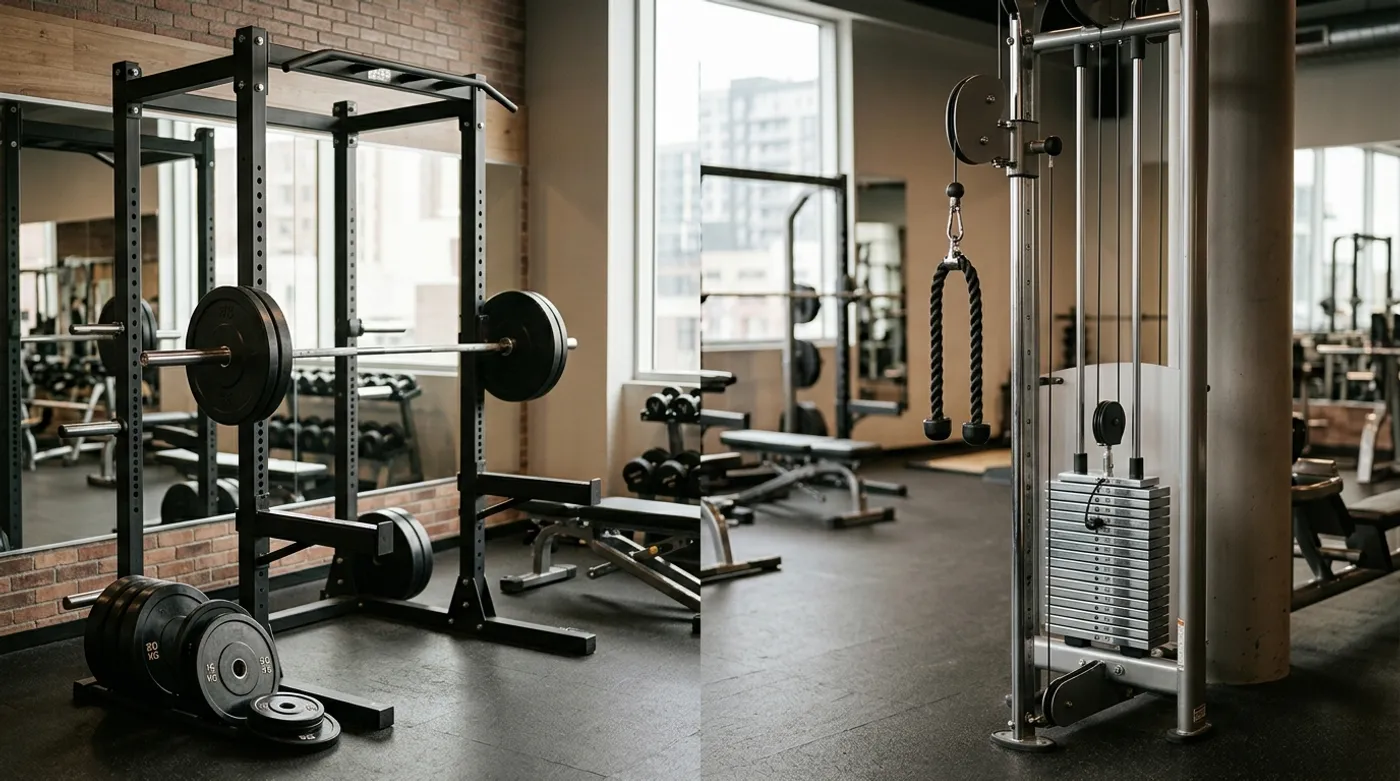
Free Weights vs Machines: Which Builds More Muscle?
Free weights win on transferable strength and stabilizers. Machines win on isolation, safety, and training to failure. A smart routine uses both.

How Long Does It Take to See Results From Lifting?
A realistic timeline for strength and muscle gains from lifting weights — what changes in the first weeks, the first months, and the first year, plus the factors that move the dates.
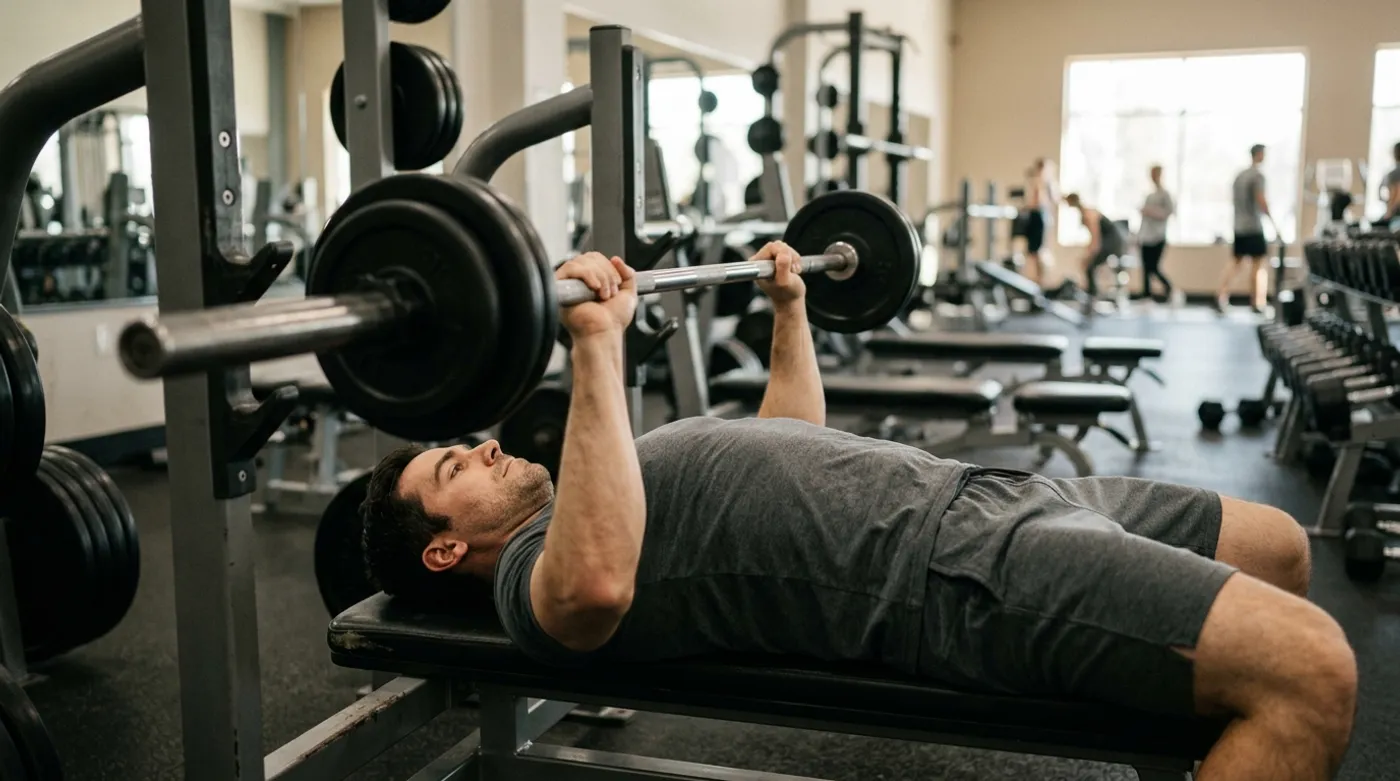
Eccentric vs concentric: which builds more muscle?
Eccentric reps cause more muscle damage and growth per unit of effort, but concentric work still matters. Here's how to train both phases without overcomplicating your program.
How Many Sets Per Muscle Group Per Week?
Most lifters grow best on 10–20 hard sets per muscle per week. Here's how to pick your weekly volume and split it across your sessions.
How Many Warm-Up Sets Before Working Sets?
Most lifters need 2–4 warm-up sets before heavy working sets. Here's how to ramp up efficiently without leaving strength in the warm-up.
Steady 2.7: 400+ exercises and more
Steady 2.7 adds 400+ new exercises, a gallery view, equipment preferences, exercise alternatives, custom muscle targets, and a refreshed appearance settings screen.

How to Break Through a Strength Plateau
A practical guide to breaking through a strength plateau — how to spot a real stall, what to change first, and how to use your workout history to make the right call.

What Is a Superset?
A superset is two exercises done back-to-back with no rest between them. Learn the types, benefits, and how to use them effectively in your training.
Best Workout App for Beginners Who Want a Clean Interface
Find the best beginner workout app with a clean interface. What to look for, what to avoid, and how simplicity helps you build the habit of tracking your training.
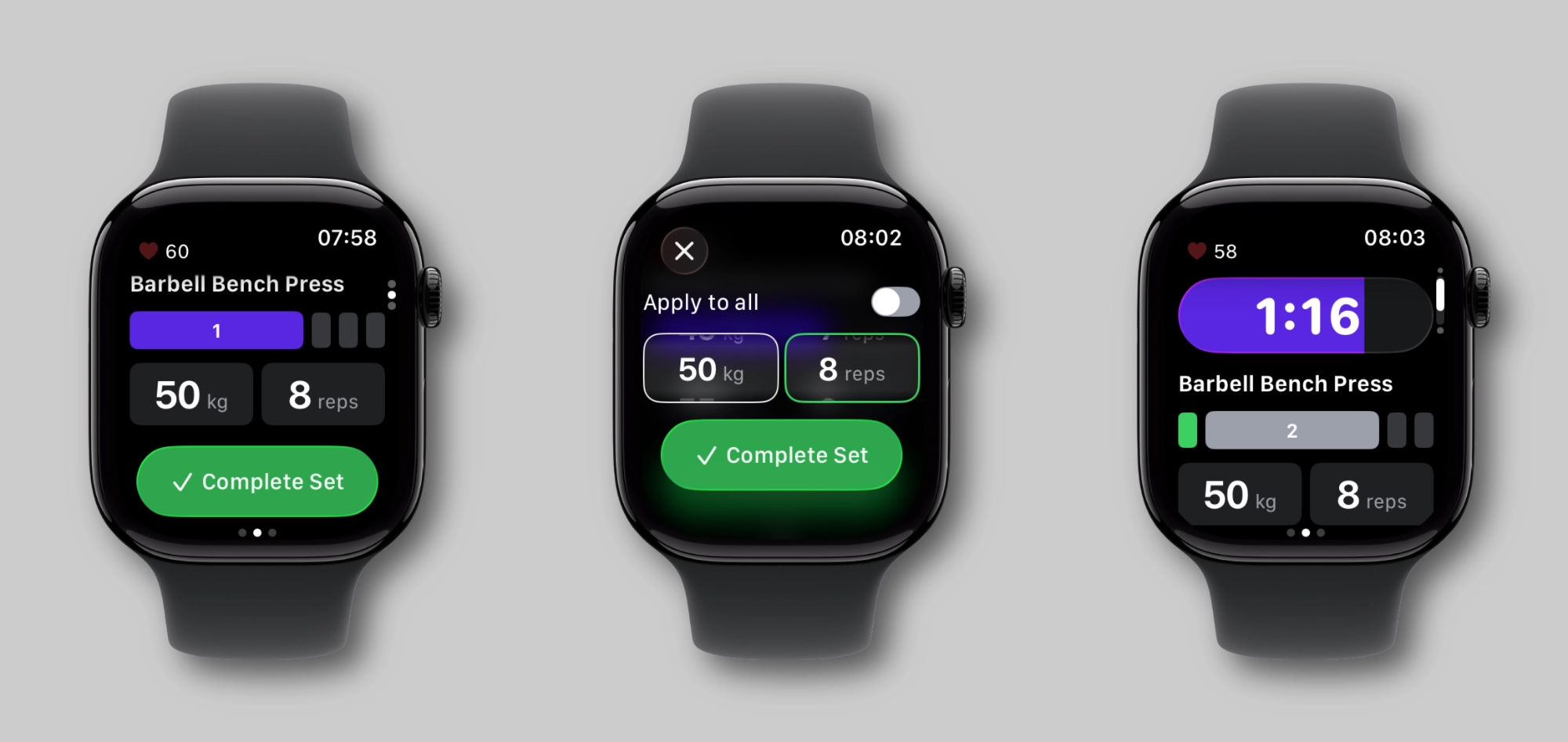
Steady for Apple Watch
The Steady Watch app is finally here. Here's how it's changed the way I train — and what your wrist can do during a workout.
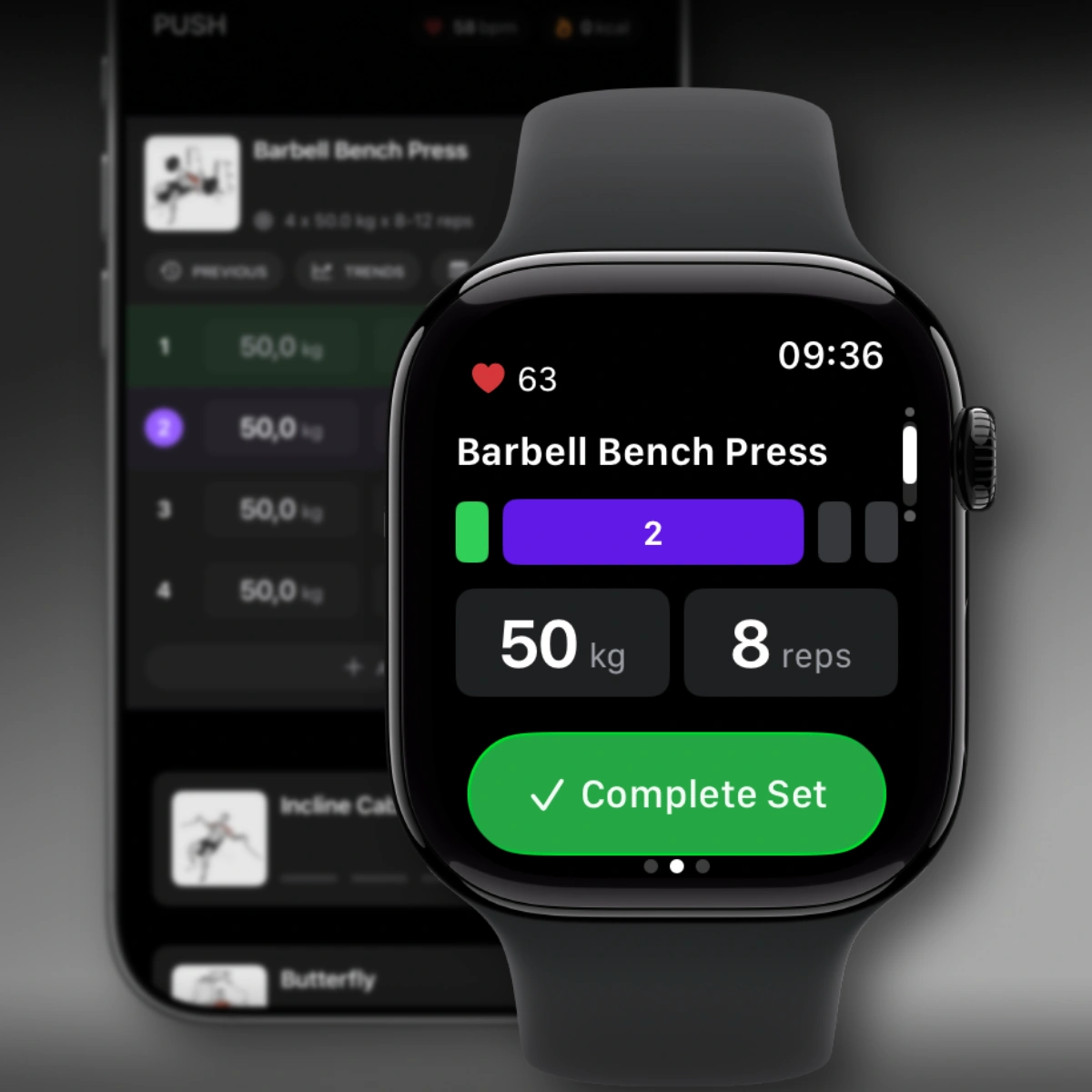
Steady 2.6: Watch app and more
Steady 2.6 brings a native Apple Watch app, heart rate and calorie tracking, Lock Screen set completion, and progression review for all users.

What Is a Deload Week and When Should You Take One?
A deload week is a planned reduction in training stress that lets your body recover so you can come back and train harder. Here's how to do it right.
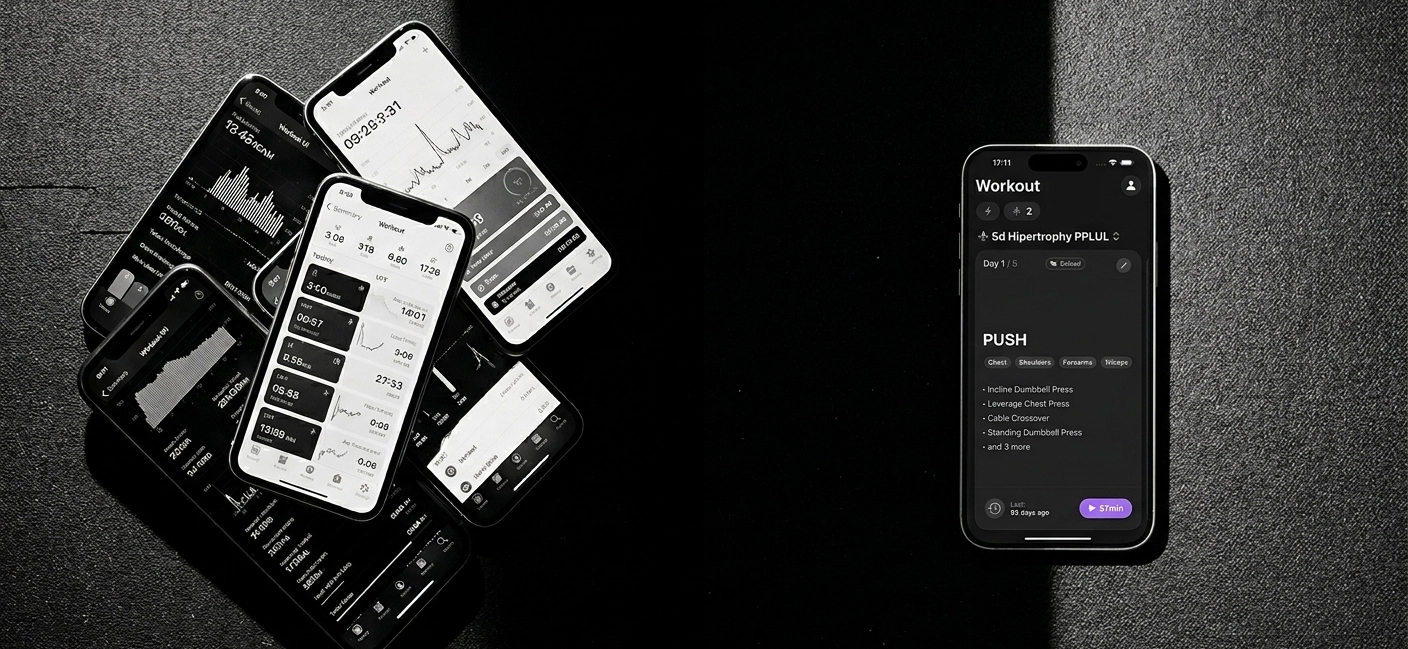
Why Most Workout Apps Are Built for Engagement, Not Training
Social feeds, comparison culture, and program stores with hundreds of generic plans — most fitness apps are engineered to keep you scrolling, not progressing.

What Should You Actually Log in a Workout? A Minimalist Guide to Sets, Reps, and Weight
Learn what to actually log in a workout so your training stays simple, measurable, and easy to progress. A minimalist guide to sets, reps, and weight.

What Is the Best Workout App for Privacy-Focused Lifters?
Learn what actually makes a workout app good for privacy-focused lifters: private-by-default logging, no social pressure, offline reliability, and control over your workout data.
How to Build a 4-Day Upper/Lower Program for Hypertrophy
Learn how to build a 4-day upper/lower program for hypertrophy that is balanced enough to recover from, simple enough to repeat, and structured enough to measure over time.
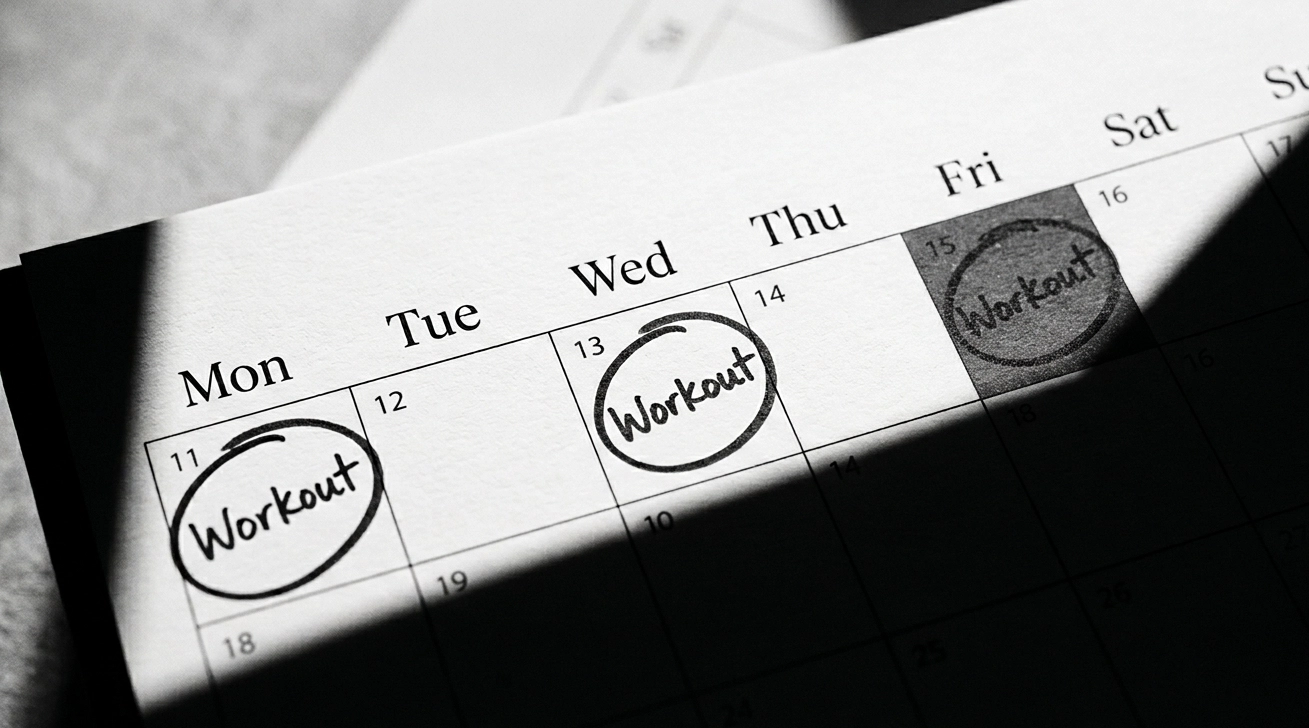
How to Build a 3-Day Gym Routine That You Can Actually Stick To
Learn how to build a 3-day gym routine that is simple enough to recover from, structured enough to measure, and realistic enough to keep doing for months.
How to Track Strength Progress When Your Performance Changes Day to Day
Learn how to track strength progress when daily performance varies. See what to compare, how to read workout trends, and how to avoid overreacting to one bad or great session.
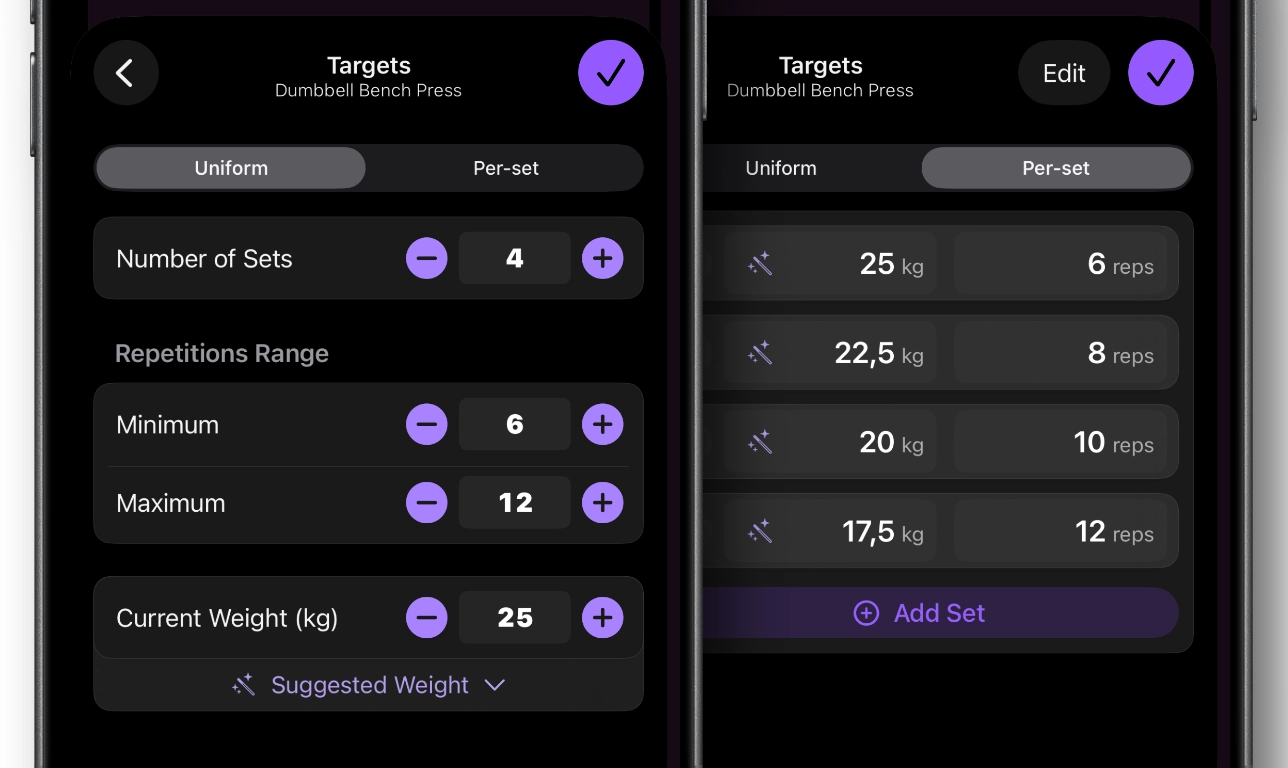
Per-Set Targets vs Uniform Targets: Which Method Is Better for Gym Progress?
Learn when per-set targets or uniform targets work better for strength and hypertrophy, how each method affects progression, and how to choose the right setup for your workouts.
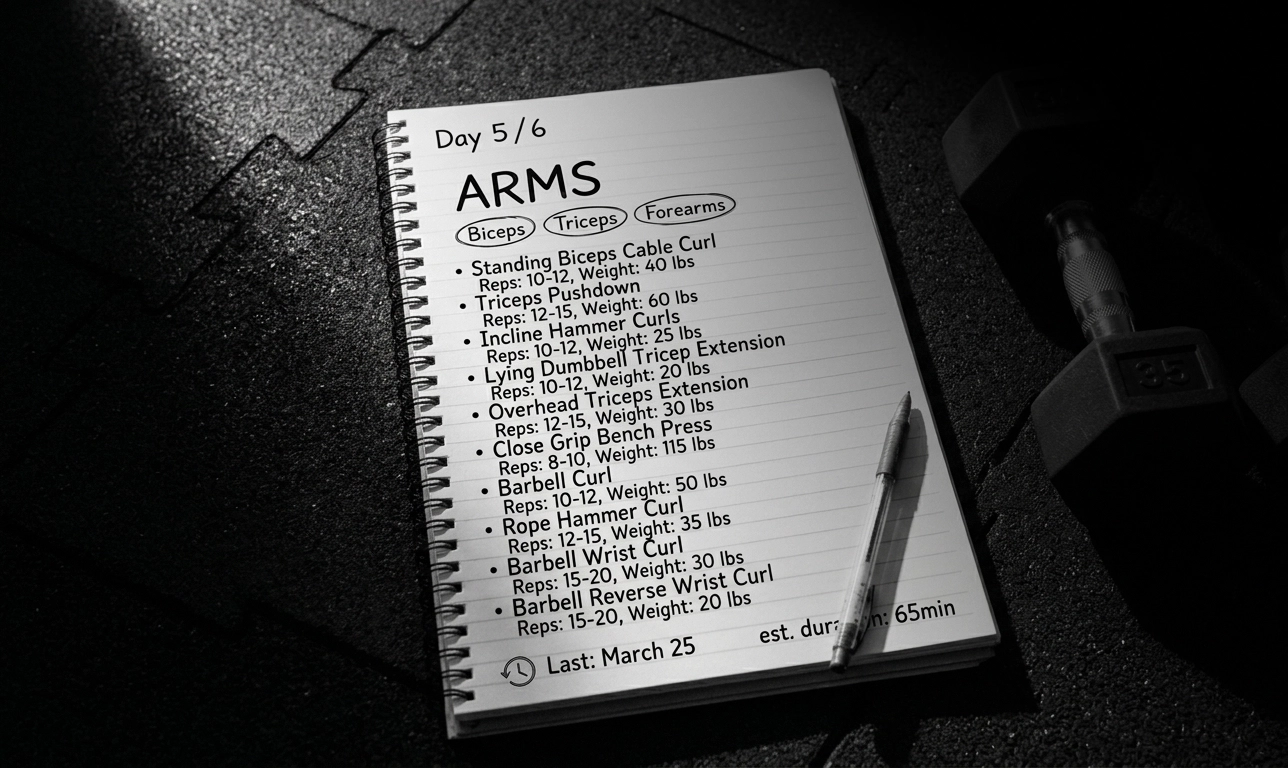
How to Repeat a Past Workout and Progress More Consistently
Learn how to repeat a past workout the right way so your training stays measurable, progression decisions get easier, and your gym routine becomes more consistent.

How to Choose a Workout App: 10 Things That Actually Matter
Learn how to choose a workout app that actually helps in the gym. Compare the features that matter most for logging, progress, privacy, offline use, and long-term consistency.

How to Log Gym Workouts Offline Without Losing Your Data
Learn how to log gym workouts offline without losing your data. See what offline-first workout tracking means, how backups should work, and what to avoid in low-signal gyms.

How to Track Progressive Overload Properly Without Using Spreadsheets
Learn how to track progressive overload without spreadsheets using a simple system for sets, reps, weight, and workout history that is easier to use in the gym.

Workout Tracker vs Notes App: What Actually Works Better in the Gym?
Compare a workout tracker vs a notes app for gym training. Learn which one is better for logging sets, reviewing progress, and staying consistent.
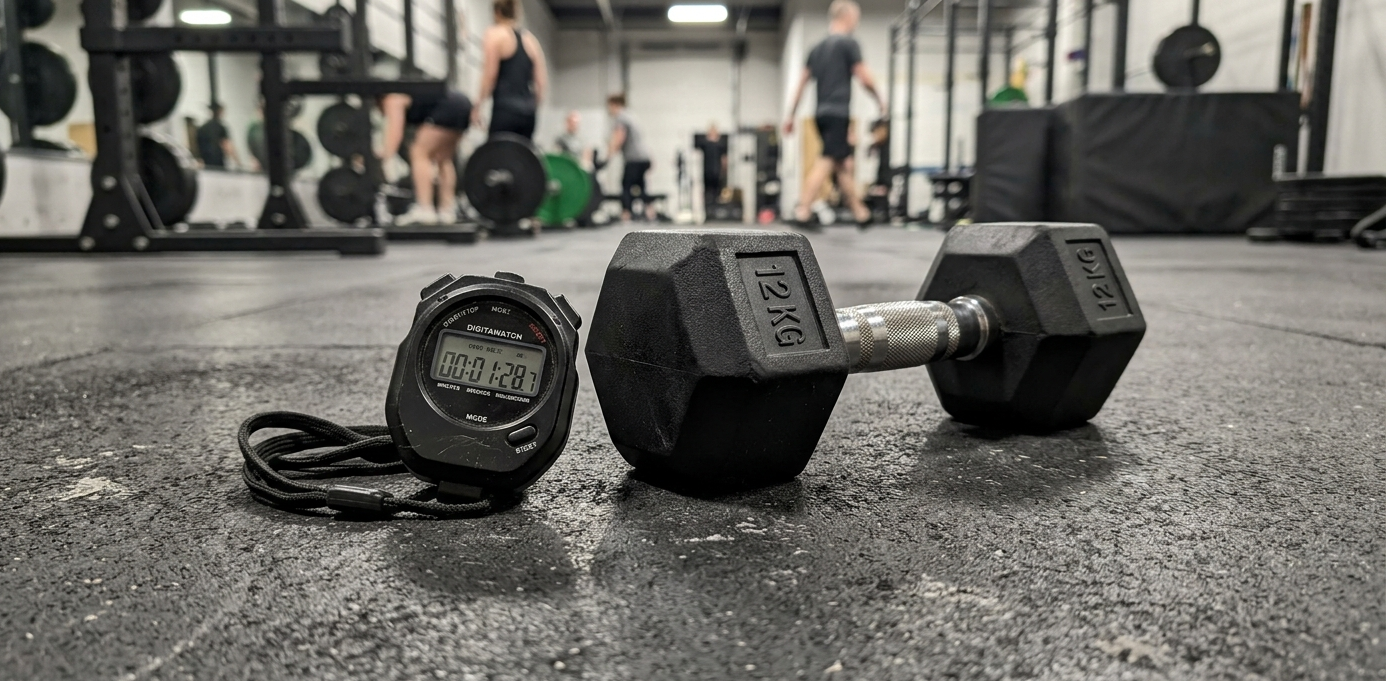
The Best Way to Track Rest Times Between Sets
Learn the best way to track rest times between sets so your workouts stay consistent, your performance is easier to compare, and your progress is easier to measure.

Why a Distraction-Free Workout App Can Improve Consistency
Learn why a distraction-free workout app without social media features can help improve focus, reduce comparison, and make workout consistency easier to sustain.

How to Start Tracking Your Workouts for the First Time
Learn how to start tracking your workouts with a simple beginner-friendly system. Find out what to log, what to ignore at first, and how to make progress easier to measure.

What Is RPE in Strength Training? And Should You Track It?
Learn what RPE means in strength training, how it relates to RIR, and whether tracking effort can help you build muscle, manage fatigue, and progress more intelligently.
How to Know When to Increase Weight, Reps, or Both
Learn the best strategies for progressive overload: when to add more weight, when to do more reps, and how to make the right progression choice for muscle growth.

What Is Progressive Overload? A Simple Guide for Strength and Muscle Growth
Progressive overload is the process of gradually making your training more challenging over time so your body keeps adapting.
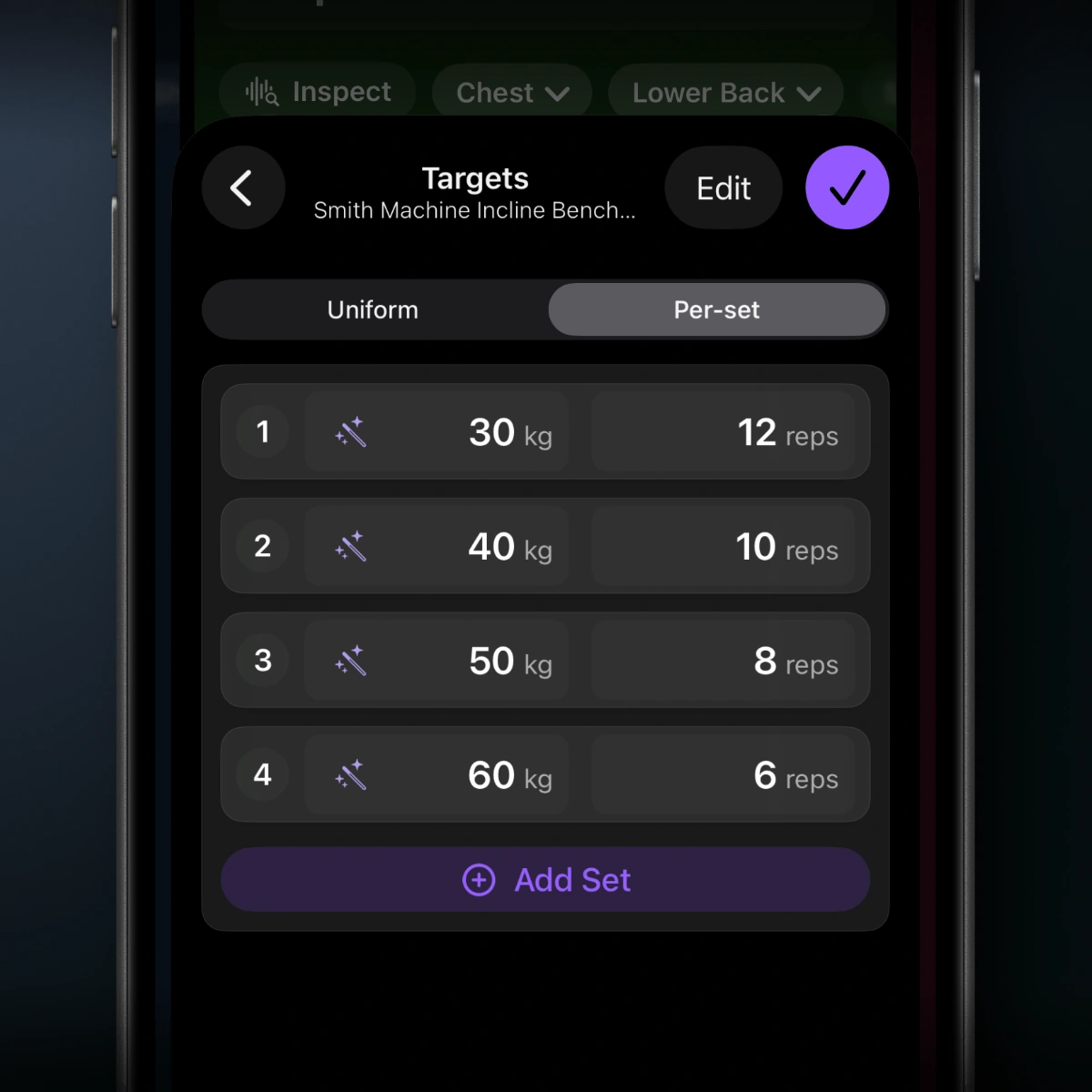
Steady 2.5: Per-Set Targets & Smarter Recommendations
Discover what's new in Steady 2.5, including per-set exercise targets, smarter weight recommendations, a new notes system, and much more.
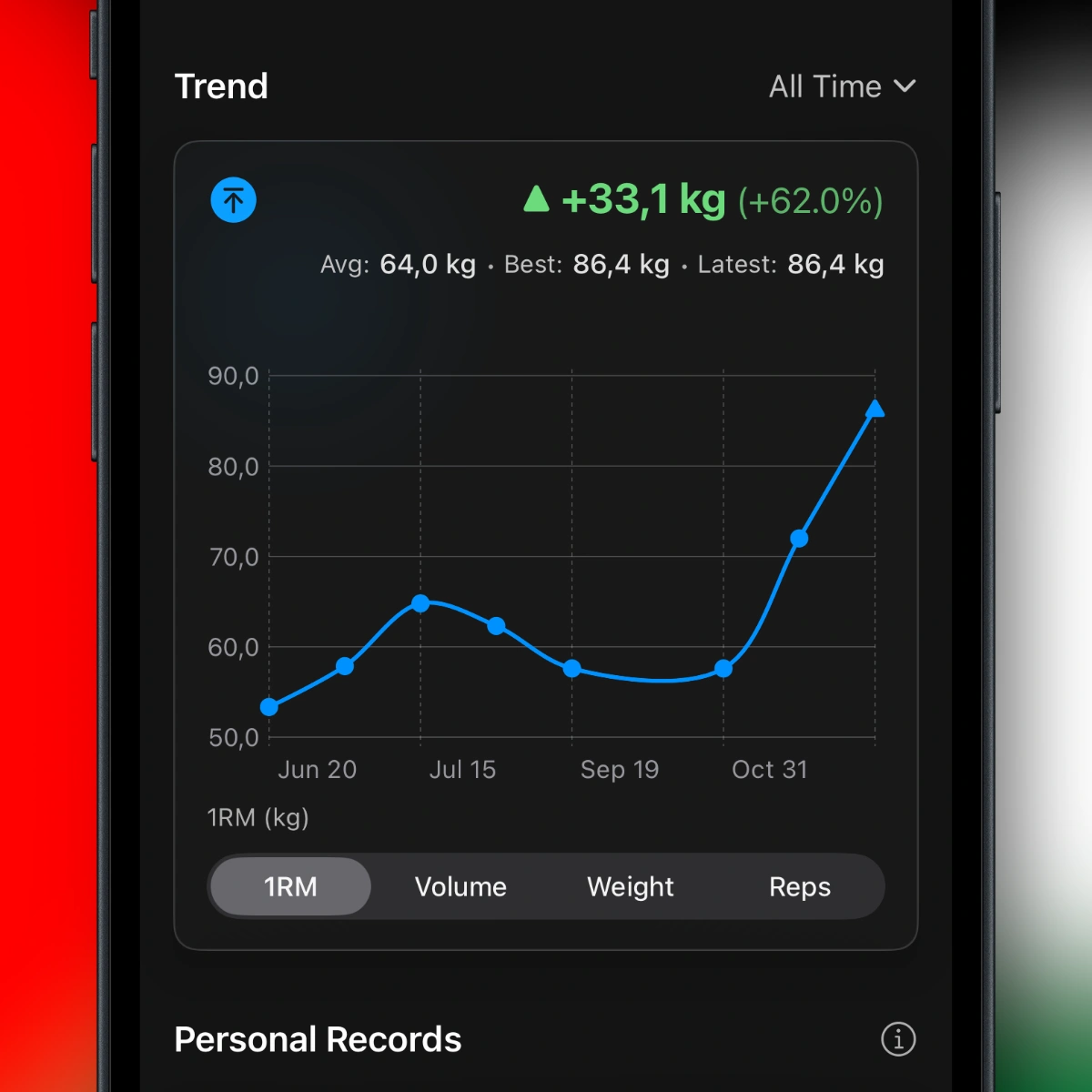
Steady 2.4: Exercise Trends Charts, Progression Reasoning & Advanced Warm-ups
Kick off 2026 with Steady 2.4! Visualize your progress with interactive per-exercise trends charts, understand the 'why' behind weight recommendations, and configure advanced warm-up sets.
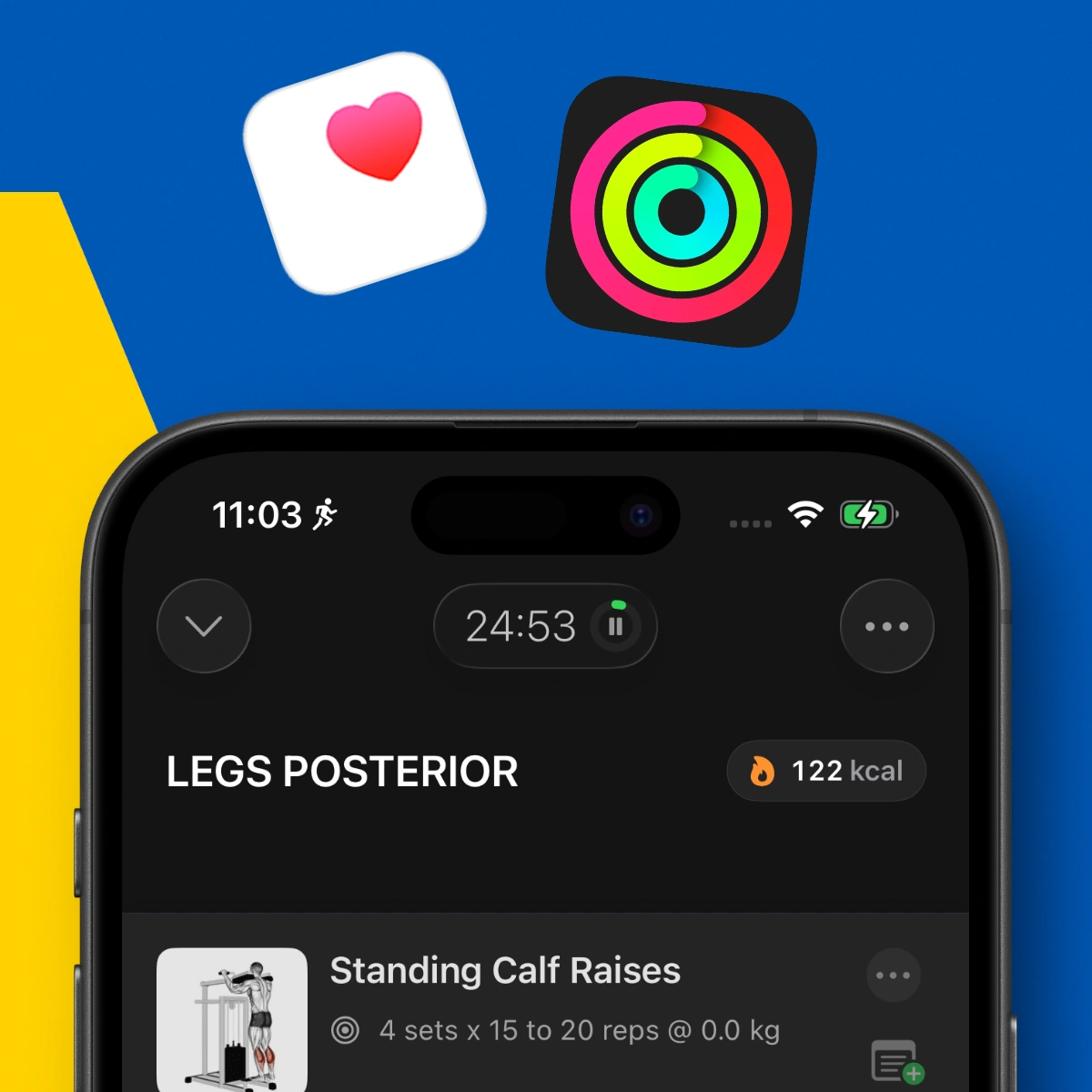
Steady 2.3: Real-Time Apple Health Sync & Instant Progression Updates
End the year strong with Steady 2.3! Experience seamless real-time Apple Health workout syncing, adjust future progression targets instantly mid-workout, and enjoy deep Liquid Glass polish.
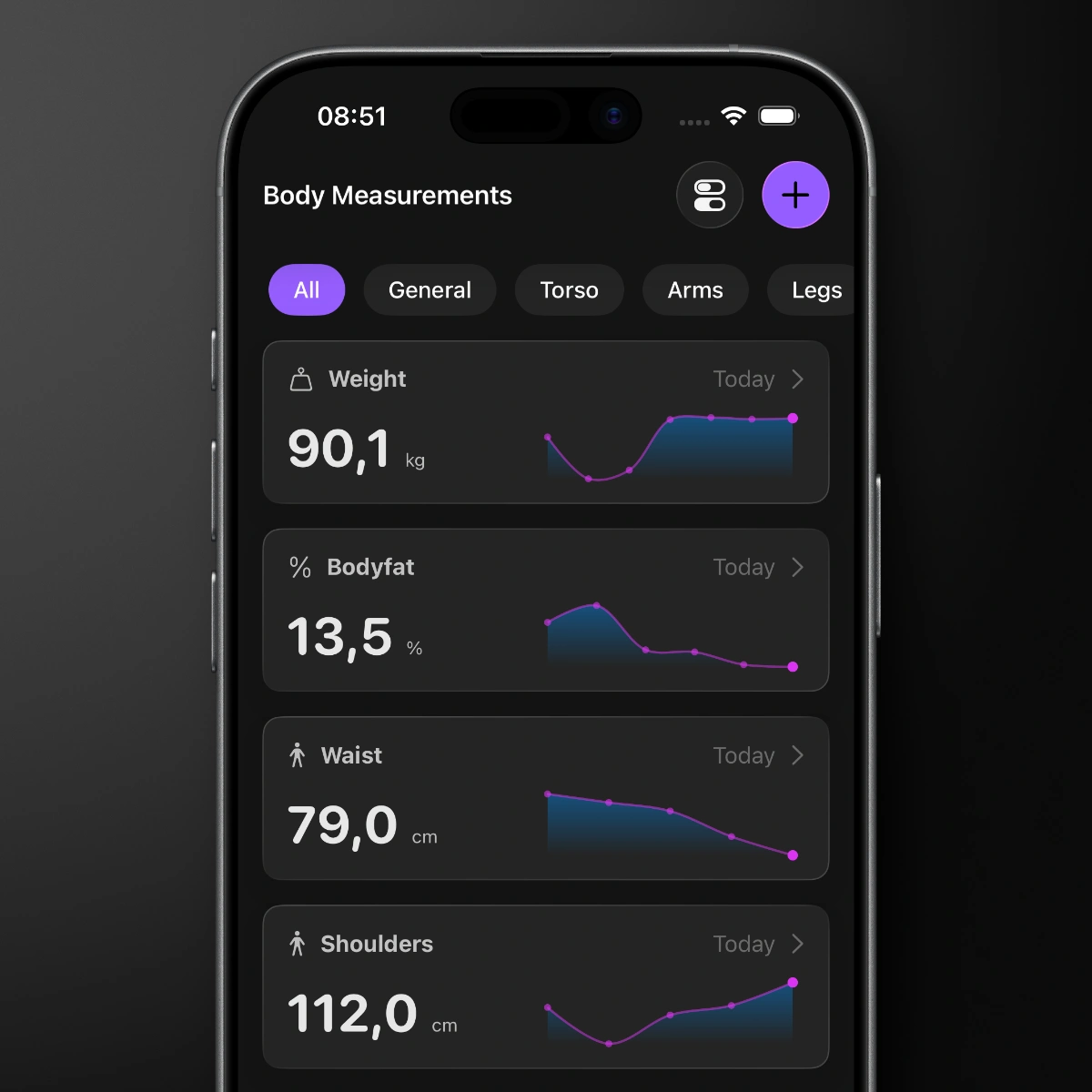
Steady 2.2: Body Measurements, Customizable Tabs & Faster Logging
Track your physical progress safely with privacy-first Body Measurements, customize your navigation tabs, and edit past workouts effortlessly in Steady 2.2.
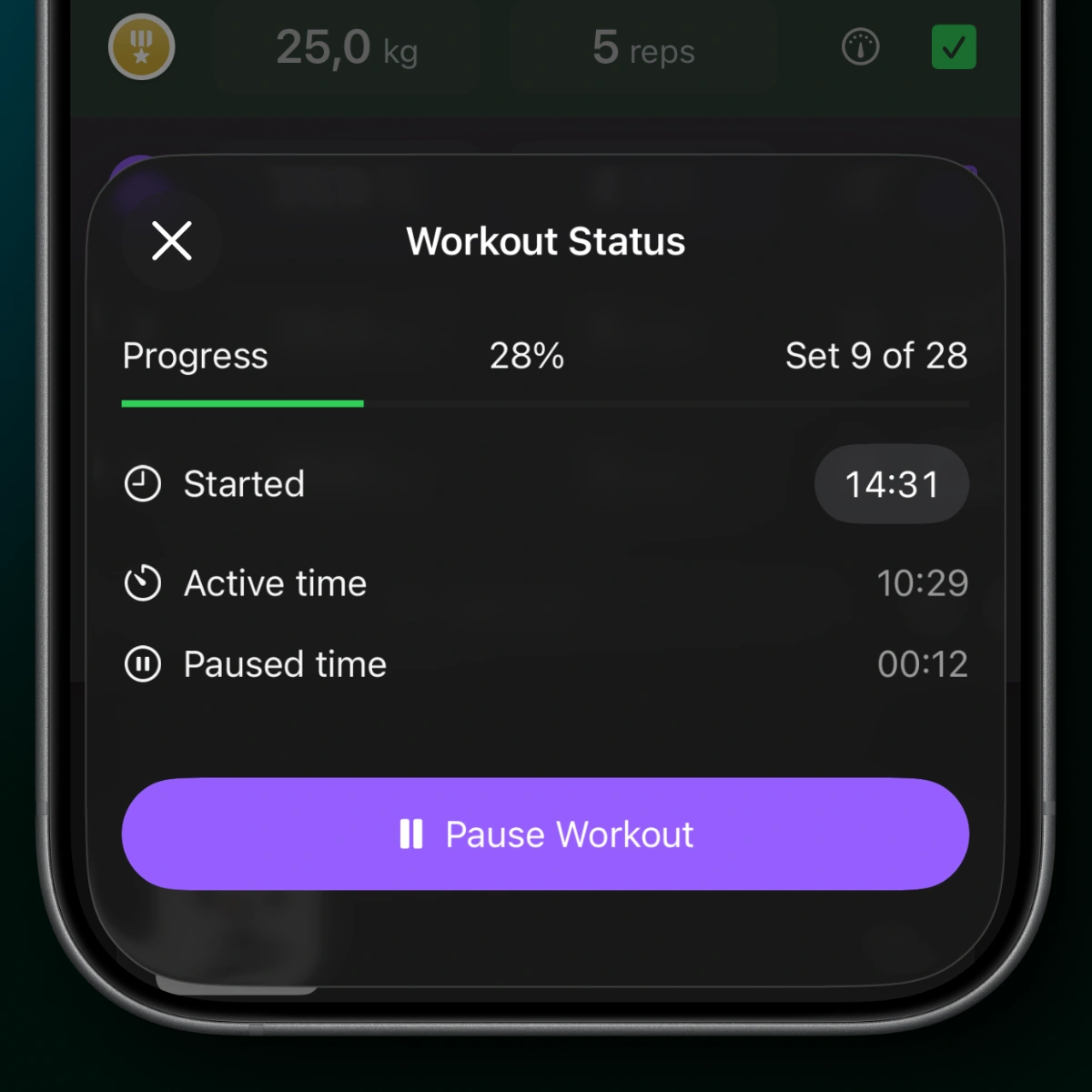
Steady 2.1: Pause & Resume, Workout Reminders, and Curated Alternatives
Steady 2.1 brings highly requested features like pausing active workouts, workout reminders, on-the-fly supersets, and unlimited exercise alternatives for everyone.
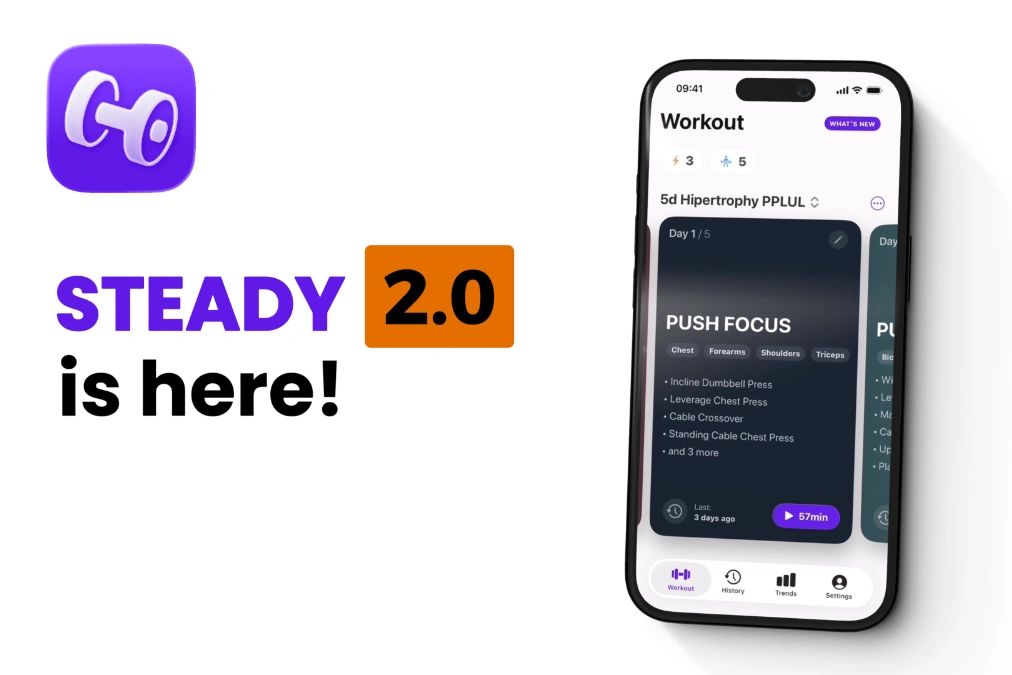
Steady 2.0: Muscle Activation, Set Zones & The Liquid Glass Redesign
Discover the massive Steady 2.0 update! Track muscle activation, hit your weekly set zones, utilize smart deload recommendations, and enjoy a stunning new Liquid Glass design.
No articles found in this category.