Squat Shoes vs Flat Shoes: Which Should You Lift In?
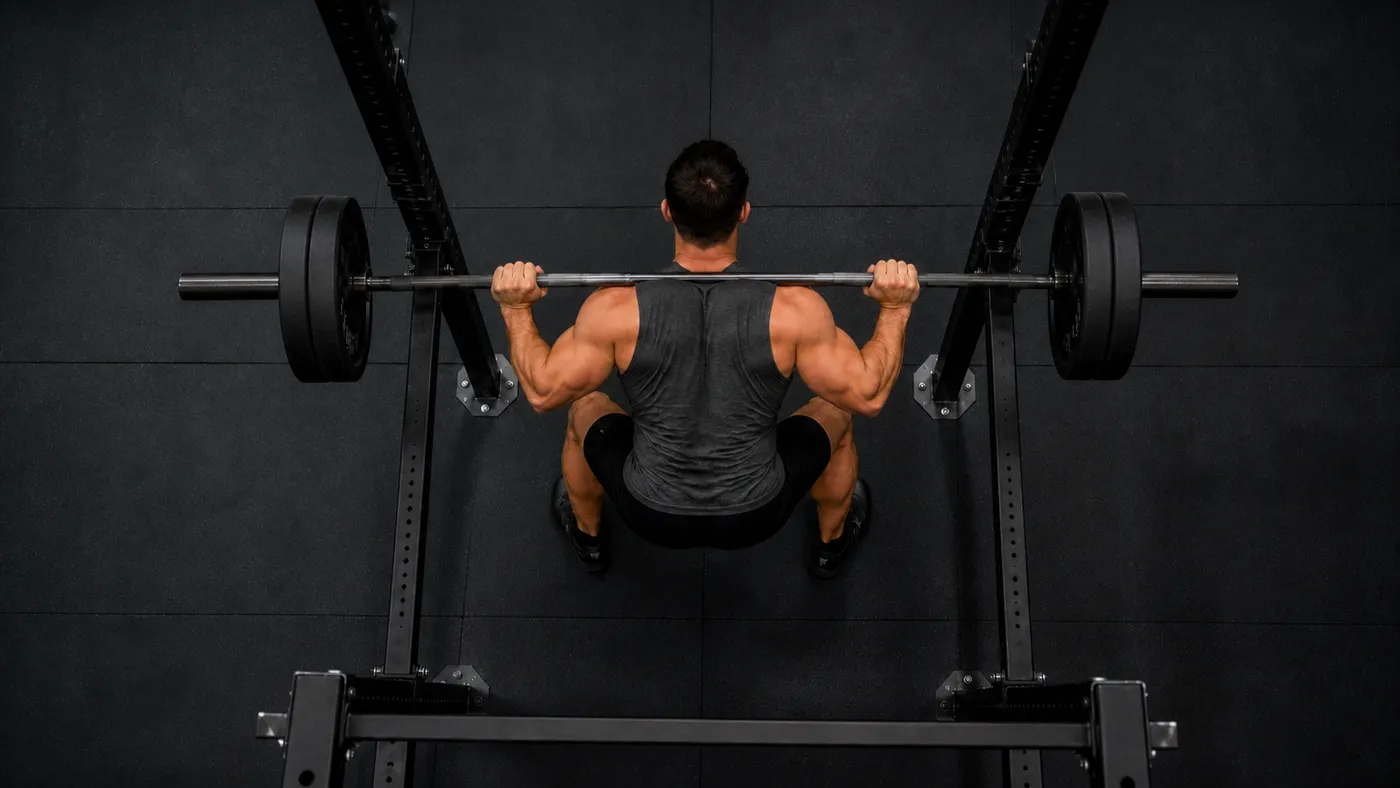
Squat shoes are usually the better choice when a raised, firm heel helps you reach a stable squat depth with an upright torso; flat shoes are often a better fit when you prefer a lower-heel position, squat low-bar, or need one shoe for deadlifts too. Neither is automatically stronger. The useful choice is the one that lets you keep your whole foot planted, repeat your position, and train hard without fighting your setup.
It is easy to treat lifting shoes as a shortcut to better squats. They are not. A shoe can make a position easier to access, but it cannot replace a brace, a controlled descent, or a load you can own. Think of footwear as one part of a repeatable setup—not a personality test.
What squat shoes actually change
Classic weightlifting shoes have a hard, raised heel and a stable sole. That heel lets your ankles start in a little more plantar flexion, which can make it easier for some lifters to let the knees travel forward and keep the torso more upright at the bottom of a squat.
That can be useful for high-bar squats, front squats, and lifters whose comfortable depth is limited by ankle mobility. It can also make the position feel more secure if you otherwise shift backward, lift your heels, or fold forward before your legs have done much work.
The firm sole matters too. Soft running shoes compress and wobble under load, which makes force transfer and balance less predictable. Whether you choose a raised heel or a flat sole, look for something stable rather than a cushioned sneaker.
When squat shoes tend to help
Squat shoes are worth trying when they solve a specific position problem. Good signs include:
- you can reach a comfortable depth more easily while keeping your whole foot down;
- your torso stays more upright without forcing your lower back into an exaggerated arch;
- your knees track smoothly instead of collapsing inward or losing balance;
- high-bar squats or front squats feel more natural after a few controlled sessions.
They are especially common in Olympic weightlifting because catching a clean requires a deep, upright position. That does not mean every strength trainee needs them. It means the heel has a clear job for that style of lifting.
When flat shoes make more sense
Flat, firm shoes keep your foot closer to the floor. Many lifters like that for low-bar squats, powerlifting-style squats, and deadlifts, where they prefer a more pronounced hip hinge and do not want extra heel height changing their starting position.
Flat shoes can also be the simpler option if you move between squats, deadlifts, rows, and machines in the same workout. A stable flat trainer, minimalist lifting shoe, or clean hard-soled sneaker is usually more versatile than a soft running shoe.
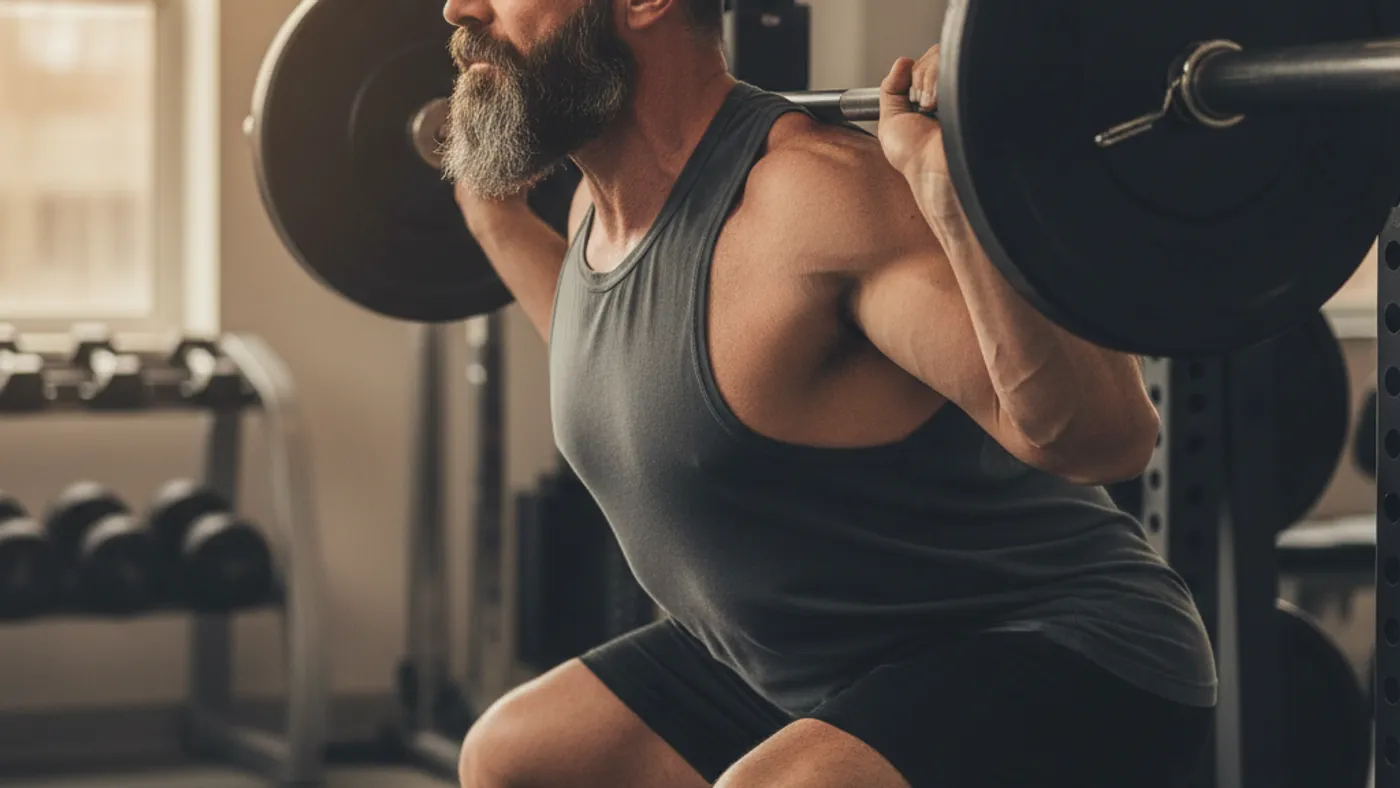 The shoe should support a stable, repeatable squat—not distract from how you brace, descend, and stand up.
Do not choose flat shoes just because they look more “serious,” and do not choose a raised heel because someone with different proportions swears by it. Your femur length, ankle comfort, preferred bar position, and squat style all affect what feels natural.
A practical way to decide
You do not need a force plate or a perfect mobility score. Test the choice with an easy-to-moderate load, then compare the quality of the reps.
- Keep the rest of your setup the same. Use the same bar position, stance width, and rep range for both options.
- Film a set from the side or slightly behind. Look for whether your feet stay planted, your knees track smoothly, and your depth is repeatable.
- Notice what changes without forcing it. A useful shoe makes a stable position easier; it should not make you chase a completely different squat overnight.
- Give it more than one session. A new heel height can feel unfamiliar at first. Use a few exposures before judging it with a heavy set.
If both choices look and feel solid, use the one that best fits your main training. A lifter focused on front squats may keep raised-heel shoes in the gym bag. Someone who prioritizes low-bar squats and deadlifts may prefer flat shoes. Plenty of lifters own both and switch deliberately.
Mistakes to avoid
Expecting shoes to fix mobility or pain
Raised heels can make depth more accessible, but they do not diagnose why a position feels limited. Sharp pain, persistent joint irritation, or a sudden loss of control deserves attention beyond a footwear change. Keep the load sensible and seek qualified help when symptoms are unusual or do not settle.
Squatting in soft running shoes
The issue is not fashion. Thick foam can compress differently from rep to rep, especially as the load gets heavier. A firmer sole gives you a clearer platform for balance and force.
Changing every variable at once
Do not buy new shoes, widen your stance, switch bar positions, and add weight all in one session. If the squat improves, you will not know what helped. Change one meaningful variable, then give yourself enough repetitions to learn it.
Make the choice easy to repeat
Once you have a setup that works, treat your footwear as part of the exercise. Use the same shoes for comparable squat sessions and make a short note if you change them. That keeps a better performance from looking mysterious when the rest of the log has changed too.
Steady is useful for that kind of quiet consistency: log the weight, reps, and a simple setup cue, then let several honest sessions—not one exciting pair of shoes—show whether your squat is improving. For the rest of the setup, read How to Prepare for a Workout.
Ready to start applying progressive overload?
Ditch the spreadsheets and complex notes. Join thousands of lifters who use Steady to focus on the workout, track their progress, and automatically know when to add weight.
Download Free for iPhone