Training Alone vs With a Partner
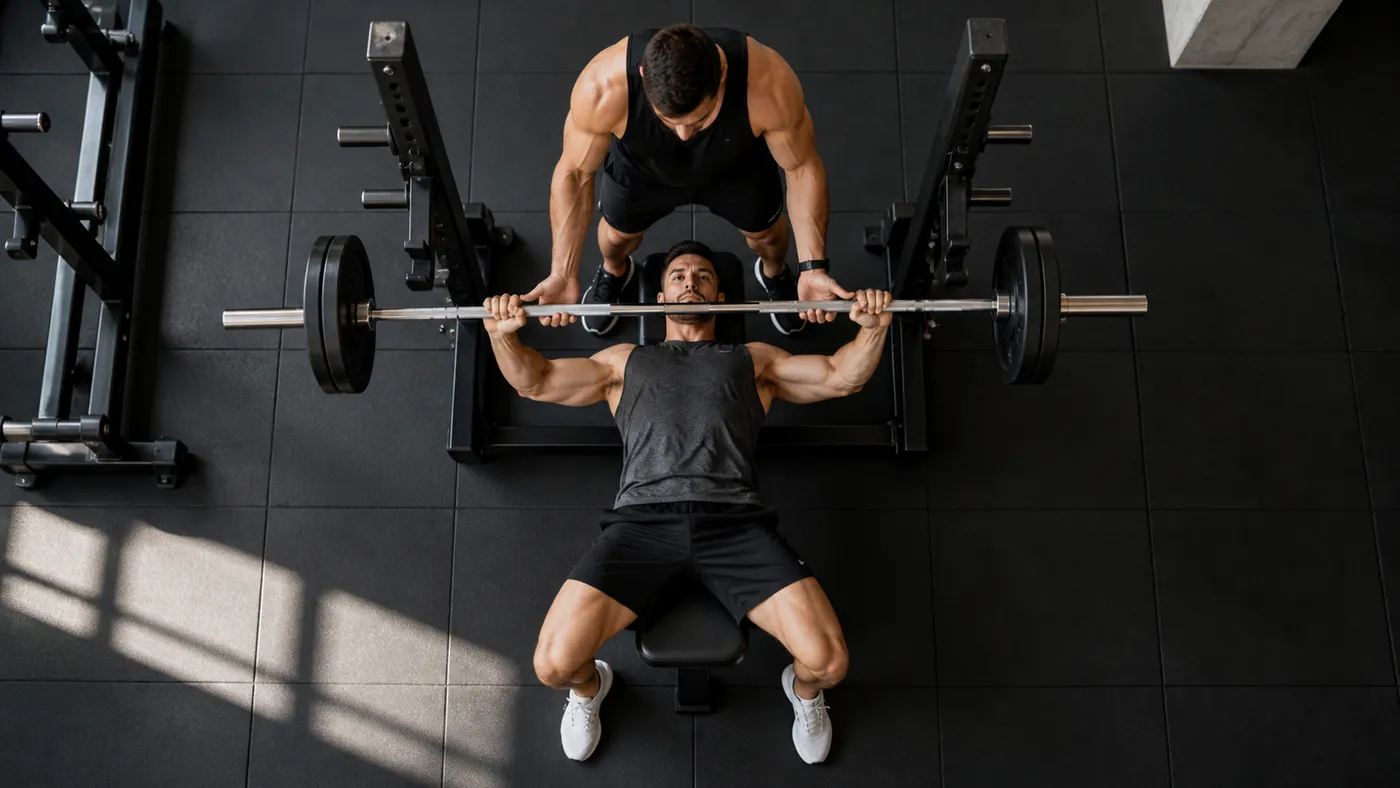
Training alone is usually better for flexibility and focused self-paced work; training with a partner is usually better when accountability, a capable spotter, or shared effort helps you show up and train harder. The better choice is the one you can repeat without your schedule, plan, or attention becoming a bottleneck.
A good training partner is useful, but not mandatory. Plenty of strong, consistent lifters train alone because they can arrive, follow their plan, and leave without coordinating anyone else. On the other hand, the right partner can make a difficult session more reliable, especially when motivation is low or a lift benefits from a real spotter.
What training alone does well
Solo training gives you control. You choose the time, warm-up pace, exercise order, rest periods, music, and moment to leave. That matters more than it sounds: the best session is often the one you can start on an ordinary Tuesday without waiting for a text reply.
Training alone is a strong fit when you:
- have an irregular schedule
- like to rest according to your own performance instead of a shared clock
- are following a detailed plan with specific loads, reps, or effort targets
- prefer quiet focus between hard sets
- want to use training as reliable personal time
It also makes your data cleaner. If you take three minutes between sets one week and three minutes the next, you can compare the results without wondering whether conversation, someone else’s set, or a late arrival changed the session.
The trade-off is that you have to provide your own start signal. On a tired day, nobody is meeting you at the rack. You need a plan simple enough to begin, plus a safe fallback for lifts that would normally need a handoff or spotter.
What a good training partner adds
A partner does not automatically make a workout better. A good partner does three useful things: they help you show up, protect the quality of a demanding set, and keep the session moving without taking it over.
Accountability is the obvious benefit. If someone expects you at 7 a.m., skipping feels less casual. That can be valuable when you are rebuilding a habit, returning from a layoff, or training during a busy stretch of life.
For certain barbell lifts, a skilled spotter can also make hard work more practical. The key word is skilled: they should understand when to stay hands-off, how you prefer to communicate, and when a set is actually finished. Constantly touching the bar turns your record into a guess; a spotter should add safety, not invisible reps.
Finally, shared effort can improve the mood of a difficult block. You may still track your own numbers and run your own program, but the next hard set feels less lonely when someone else is also doing real work nearby.
The real decision is often logistics
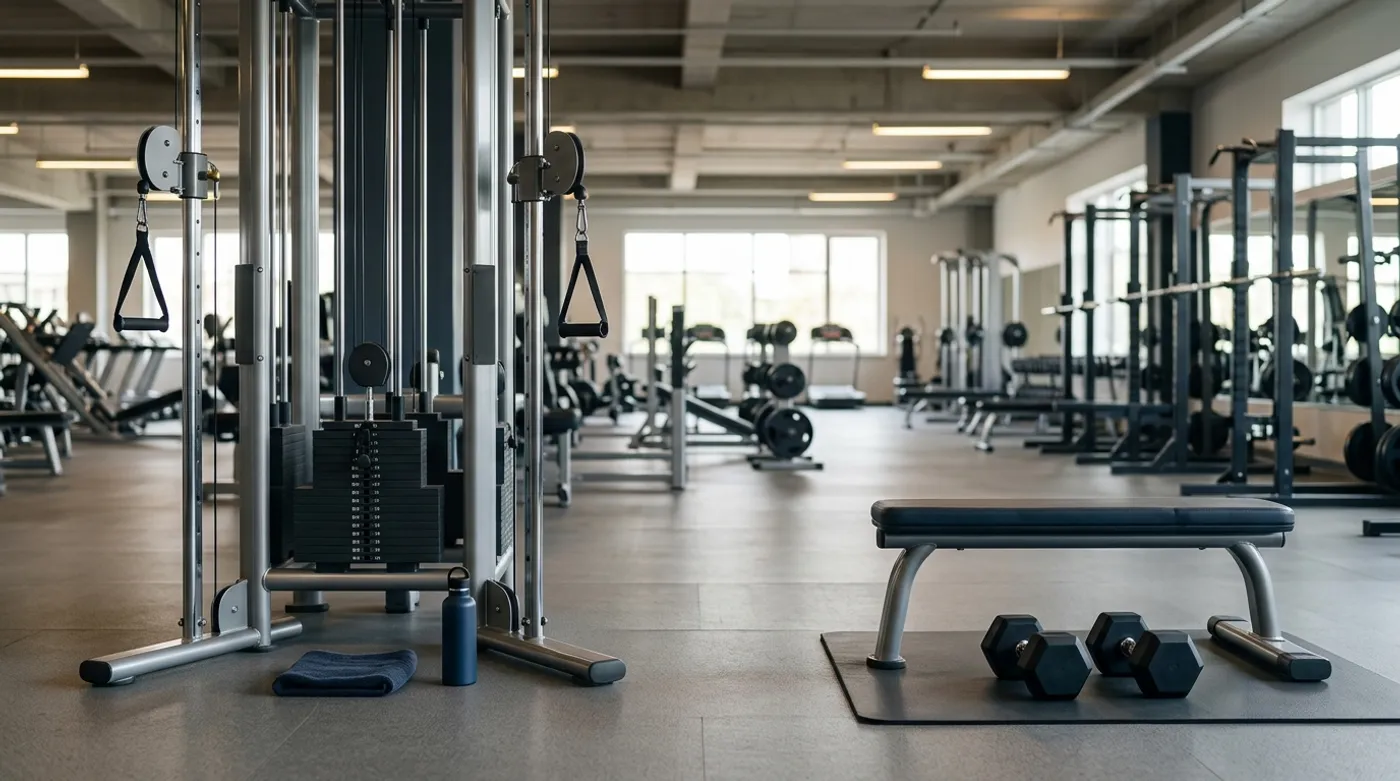 The best training setup is the one that still works when the gym is busy and the week is not perfectly planned.
The wrong partner can cost more than they add. Different training goals, rest preferences, and start times create friction quickly. One person wants heavy sets with long rests; the other wants a fast, high-volume session. One needs to leave in 50 minutes; the other is still warming up. Neither person is wrong, but the pairing may be.
Before committing to a regular training partner, test the practical details:
- Match on schedule first. A compatible time is more useful than identical favorite exercises.
- Compare session pace. You do not need the same rest periods, but neither person should feel rushed or parked.
- Keep separate programs. Shared training does not require copying every exercise or target.
- Agree on spotting. Discuss when to help, what cues are useful, and how to signal the end of a set.
- Have a solo backup. If one person cancels, the other should still know how to complete a safe, worthwhile session.
Train alone if independence makes you more consistent
Choose solo training if waiting on someone else is the main reason your plan falls apart. You will probably make faster progress with four independent sessions than with two perfectly social sessions and two missed ones.
Solo training is also the better default if you are learning to read your own fatigue and performance. Use stable exercises, set up safety pins when appropriate, and choose variations you can control without a forced rep. Your workout should not depend on another person being available for it to be safe.
Train with a partner if the partnership makes the work better
Choose a partner when you genuinely train more consistently, feel safer on the relevant lifts, or benefit from the shared structure. The strongest pairing is not two people trying to outdo each other every set. It is two people who respect each other’s plan and make it easier to complete.
Keep the competitive part small and useful. Celebrate a good set, but do not chase someone else’s load, cut your rest short to keep up, or turn every session into a test. Your body, training age, and weekly recovery are still your own.
Keep the record individual
Whether you train alone or with someone else, log the parts that explain performance: load, reps, effort, rest changes, and any adjustment that mattered. A partner may improve the environment, but they do not make two sessions directly comparable by default.
Use a simple record in Steady to keep your plan and workout history yours. Then you can see whether the setup is helping: are you showing up more often, completing the planned work, and progressing without accumulating more chaos?
The bottom line
Train alone when autonomy protects your routine. Train with a partner when the relationship adds accountability, safety, or useful energy without making the schedule fragile. Neither option is superior in the abstract; the winning setup is the one that lets you train well this month and keep training next month.
Ready to start applying progressive overload?
Ditch the spreadsheets and complex notes. Join thousands of lifters who use Steady to focus on the workout, track their progress, and automatically know when to add weight.
Download Free for iPhone