Dumbbells vs Barbells: Which Should You Use?
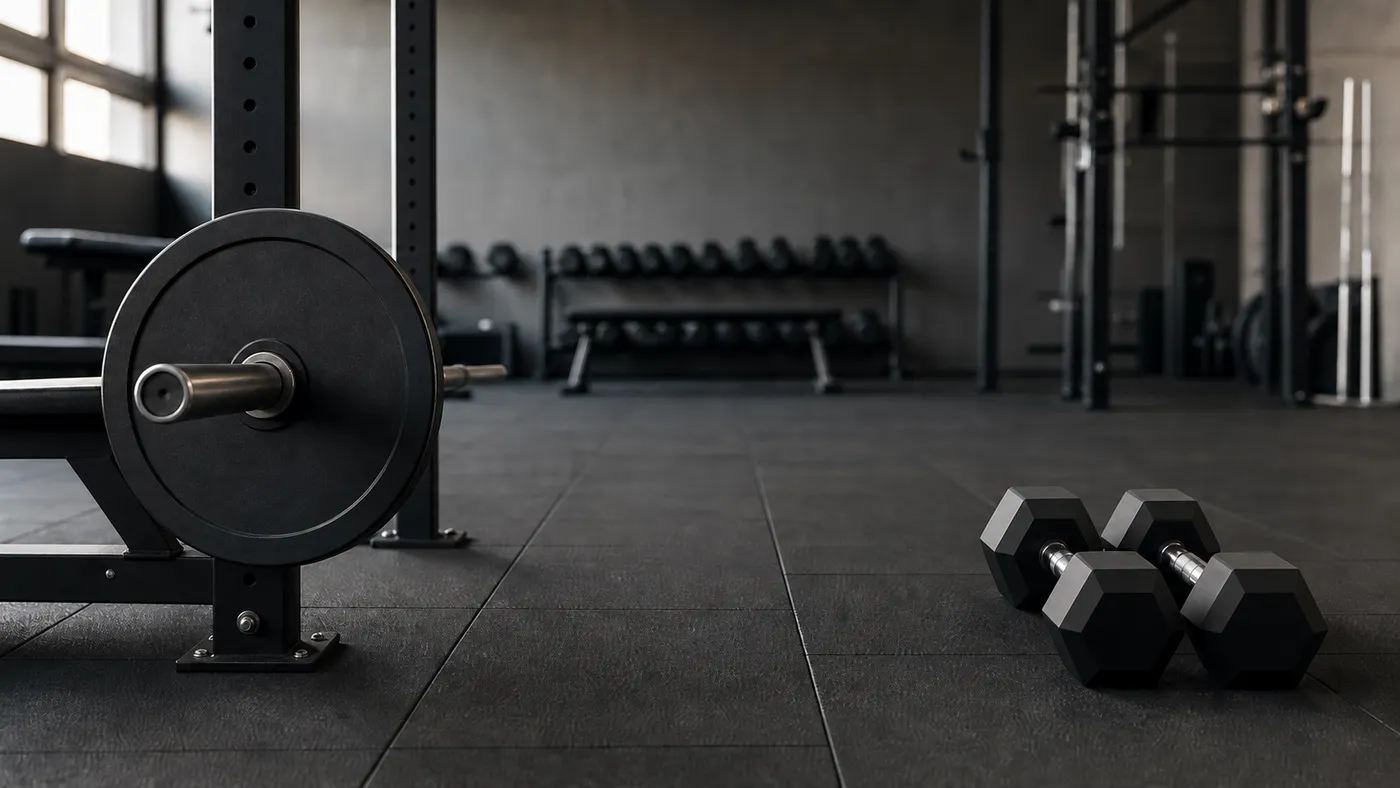
Dumbbells and barbells can both build plenty of muscle and strength. Choose barbells when you want the most stable setup and the easiest path to loading heavy; choose dumbbells when you want each side to work independently, a freer movement path, or a more forgiving setup. For most lifters, the best answer is not picking a winner. It is using each tool for the job it does best.
The argument gets needlessly tribal. Some lifters treat barbells as the only serious option. Others assume dumbbells are automatically safer or more “functional.” Neither idea holds up in a real training week.
The better question is: what do you need this exercise to do today? Build skill with a heavy compound lift? Add controlled volume to a muscle that needs it? Work around an uncomfortable position? The answer tells you which implement deserves the slot.
The core difference
A barbell connects both hands to one load. That shared bar path makes it easier to stabilize, coordinate, and increase weight in small, repeatable jumps.
Dumbbells put a separate load in each hand. Each arm has to control its own path, and one side cannot quietly do extra work for the other. That demands more coordination, but it also gives your shoulders, wrists, and elbows more room to find a comfortable position.
Neither difference makes one universally superior. It changes the trade-off.
When barbells are the better choice
Barbells are usually the better tool when the main goal is getting stronger at a big, repeatable movement.
They make it easier to:
- load squats, deadlifts, presses, and rows heavily
- add small, predictable weight increases over time
- keep a consistent setup from session to session
- spend less energy stabilizing and more energy producing force
That is why a barbell is often the first choice for a main lift. If you are trying to move your squat, bench press, overhead press, or deadlift forward, the stable setup makes your progress easier to measure. You can repeat the same lift, compare honest working sets, and make a small change when you have earned it.
Barbells are not just for powerlifters, either. They are efficient when time is limited. One barbell movement can load a lot of muscle at once, which is why they pair naturally with the compound movements discussed in Compound vs Isolation Exercises.
When dumbbells are the better choice
Dumbbells tend to shine when you want more freedom, more side-to-side accountability, or a less fixed position.
They are especially useful for:
- pressing with a neutral or slightly rotated grip
- training one side at a time when a side-to-side gap is obvious
- getting a longer or more natural-feeling range of motion when the exercise allows it
- adding hard accessory work after your main compound lift
- training in a busy gym where a rack or barbell is unavailable
The independent loads expose a real weakness. If your right arm finishes a dumbbell press easily while the left slows down, the stronger side cannot hide the difference. That can make dumbbells a useful diagnostic tool—but it does not mean every exercise needs to become unilateral.
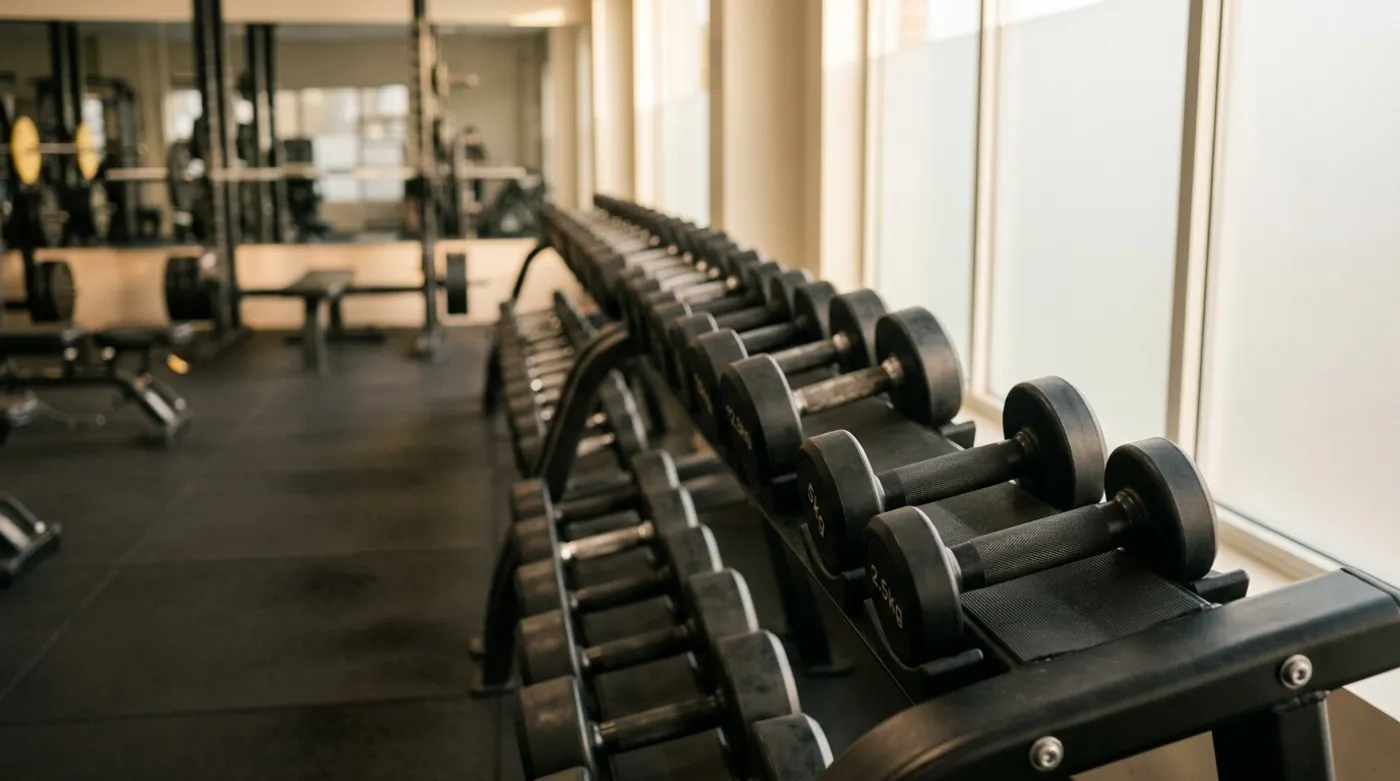 Dumbbells make small changes in angle, grip, and side-to-side control easier to explore without changing the goal of the exercise.
Muscle growth: neither has a built-in advantage
For hypertrophy, the better choice is usually the one you can load progressively, perform with control, and take close enough to productive effort without irritating a joint.
A barbell bench press may let you use more total load. Dumbbell presses may give your shoulders a path that feels better and let you control each side more independently. Both can grow your chest, shoulders, and triceps if the sets are challenging and you keep progressing over time.
Do not confuse a greater range of motion or a bigger number on the bar with an automatic muscle-building advantage. The useful question is whether the target muscle is doing consistent, high-quality work. If an exercise feels stable, comfortable, and easy to progress, it is probably earning its place.
Strength: barbells are more specific
If your goal is to become stronger at a barbell lift, you need to practice that barbell lift. Dumbbell pressing helps your pressing muscles, but it does not teach the same bar path, bracing, timing, or setup as a barbell bench press.
The reverse is also true in a smaller way: a strong barbell lifter can still find heavy dumbbells humbling. The limiting factor may be the extra stability demand, the setup, or the fact that each arm must own its rep.
Use that specificity well. Keep the barbell as the priority when the barbell result matters. Use dumbbells to build more volume, strengthen a weak side, or keep training productive when the barbell variation is no longer the best fit.
A simple way to use both
For many sessions, this sequence works well:
- Do the main barbell compound first while you are fresh.
- Add a dumbbell variation for a second angle or more controlled volume.
- Use cables or machines for isolation work where they make the target muscle easier to train.
For example, a chest-focused day might start with barbell bench press, continue with incline dumbbell press, then finish with a chest fly and lateral raises. You get the heavy, stable practice of the barbell and the adaptable, independent work of dumbbells without pretending they are interchangeable.
If one option bothers a joint, do not force it because it looks more advanced. Adjust the variation, grip, range, or implement and keep the training goal intact. Sharp, worsening, or persistent pain is a reason to stop that movement and seek qualified guidance when needed. How to Use Exercise Variations can help you make that change without turning every week into a new program.
Common mistakes
Picking by ego
The barbell usually produces a bigger headline number. That does not make it the best choice for every set. Pick the version that fits the goal, not the one that impresses someone nearby.
Comparing the numbers directly
Do not expect a pair of dumbbells to add up neatly to your barbell result. The balance, range, setup, and limiting factors are different. Track each exercise against its own history.
Replacing every barbell lift with dumbbells—or the reverse
Switching can be useful, but changing everything at once makes progress hard to read. Keep a few key movements consistent long enough to learn from them.
The bottom line
Barbells are excellent for heavy, repeatable strength work. Dumbbells are excellent for independent control, adaptable positions, and focused volume. Both can build muscle; both can be the right choice.
Keep the decision simple: use the tool that lets you train the intended movement hard, safely, and consistently. Steady makes that easier by keeping each exercise’s history close to the workout, so you can judge your barbell and dumbbell progress on what you actually did—not on a vague memory of the last session.
Ready to start applying progressive overload?
Ditch the spreadsheets and complex notes. Join thousands of lifters who use Steady to focus on the workout, track their progress, and automatically know when to add weight.
Download Free for iPhone