How to Build a Pull Day Workout
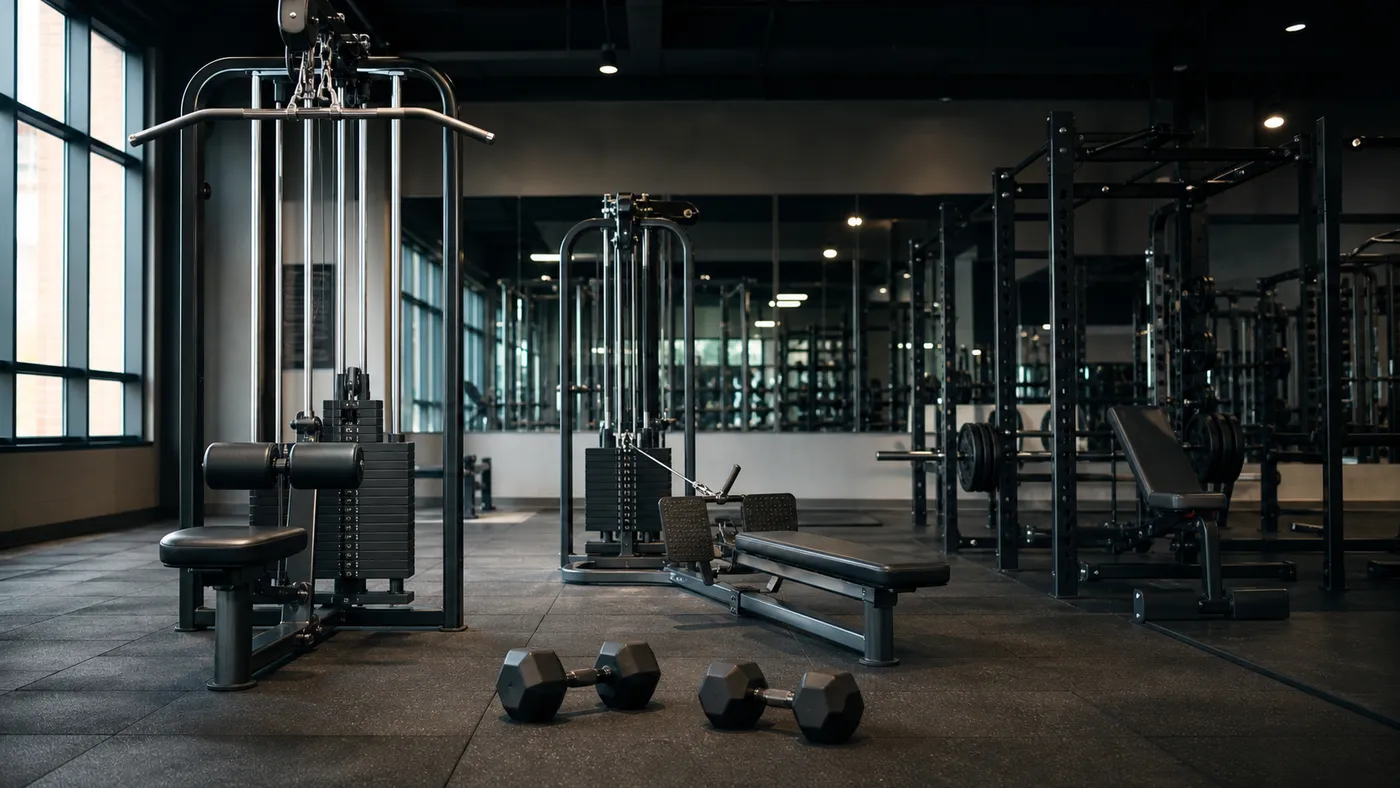
A good pull day workout should include one vertical pull, one horizontal row, one secondary back movement, rear-delt or upper-back work, and one or two biceps exercises. Most lifters do well with 5 to 7 exercises and 12 to 18 hard working sets.
The point is not to hit every back machine in the gym. The point is to train your lats, upper back, rear delts, traps, and biceps with enough structure that you can repeat the workout, progress it, and recover from it.
The Basic Pull Day Formula
Use this structure as your starting point:
- Main vertical pull - pull-up, chin-up, assisted pull-up, or lat pulldown
- Main horizontal row - barbell row, chest-supported row, machine row, or cable row
- Secondary back movement - pullover, straight-arm pulldown, single-arm row, or another row angle
- Rear delt or upper-back isolation - reverse pec deck, face pull, rear-delt cable fly, or prone raise
- Biceps curl - dumbbell curl, cable curl, preacher curl, or incline curl
- Optional second curl or trap work - hammer curl, reverse curl, shrug, or farmer carry
That covers the main jobs of a pull day without making the session longer than it needs to be. You get a vertical pull for lats, a row for mid-back and upper-back thickness, direct rear-delt work, and curls for biceps.
If you are building a full split, this pairs naturally with a push/pull/legs routine. If you only train upper body twice per week, the same pull-day structure can also work inside an upper/lower split.
Start With the Pull That Matters Most
Your first exercise should be the pull you care about most. For many lifters, that means pull-ups or lat pulldowns because they are easier to do well when your grip, elbows, and back are fresh.
Choose based on your current level:
- Pull-up if you can do controlled reps through a useful range of motion
- Chin-up if you want more biceps involvement and it feels better on your shoulders
- Assisted pull-up if you are building toward bodyweight reps
- Lat pulldown if you want stable, adjustable lat work that is easy to progress
Do not make the first lift a test of ego. If your pull-ups become half reps after the first set, use assistance or a pulldown and train the range properly. A controlled pulldown you can progress is more useful than messy bodyweight reps you cannot compare week to week.
Add a Row for Thickness and Balance
Pull day needs a row. Vertical pulls are great for lats, but they do not cover the whole back on their own. Rows train the mid-back, rhomboids, rear delts, traps, and the shoulder-blade control that keeps pressing and pulling balanced.
Good row options:
- Chest-supported row when you want hard back work with less lower-back fatigue
- Cable row when you want a stable movement with easy setup and clean progression
- Barbell row when you want a heavier free-weight option and can keep your torso position consistent
- Single-arm dumbbell row when you want to train each side separately and get a long range of motion
If your lower back is already tired from deadlifts, Romanian deadlifts, or leg day, choose a supported row. You do not get extra credit for turning every back exercise into a bracing drill.
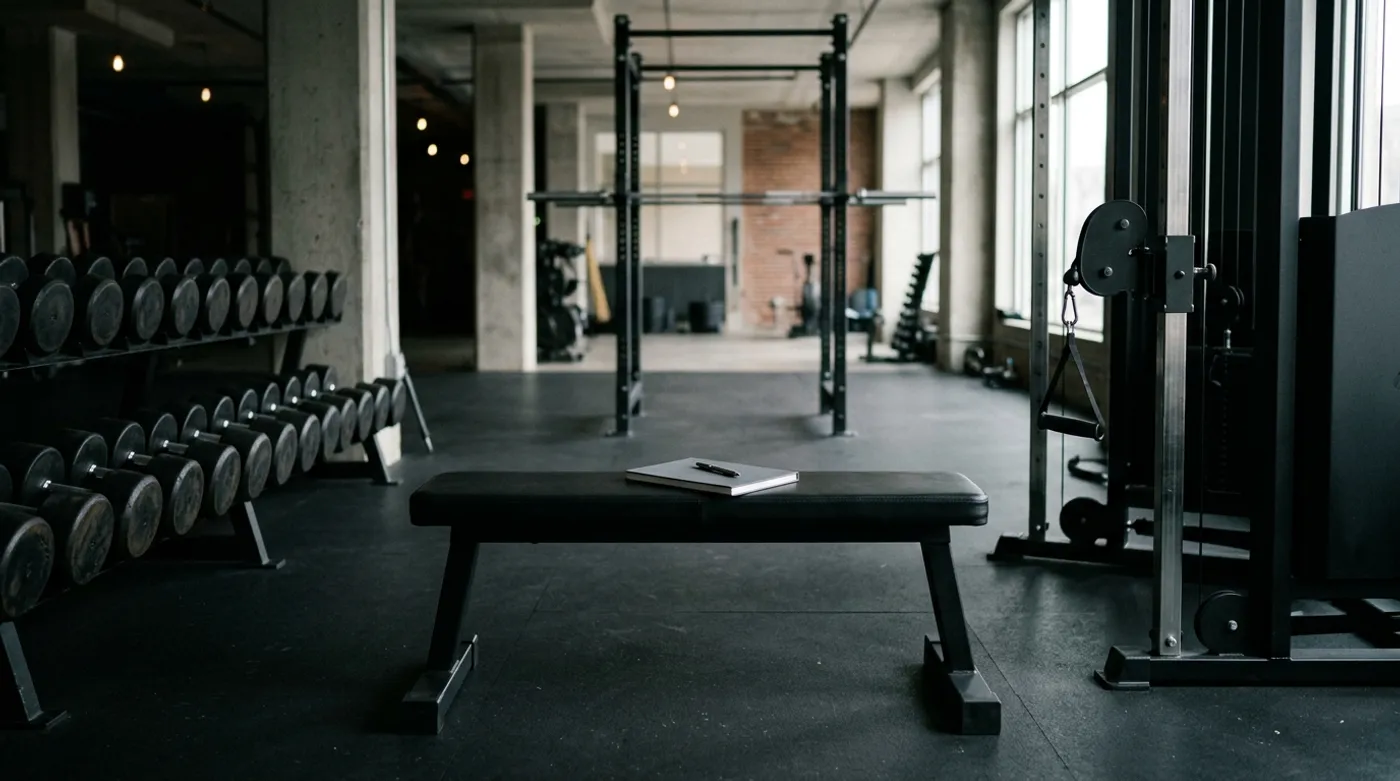 Pull day works best when each station has a clear role instead of every exercise fighting for the same job.
Choose Exercises by Role
The easiest way to overbuild pull day is to add exercises because they all feel “back focused.” A better approach is to assign each movement a job.
Use these roles:
- Lat emphasis: pull-up, lat pulldown, neutral-grip pulldown, straight-arm pulldown
- Mid-back emphasis: cable row, chest-supported row, machine row, seal row
- Upper-back and rear-delt emphasis: face pull, reverse pec deck, rear-delt fly, high row
- Biceps emphasis: supinated curl, incline curl, preacher curl, cable curl
- Brachialis and forearm emphasis: hammer curl, reverse curl
That does not mean you need one exercise from every line every time. It means you should know why an exercise is there. If you already have pull-ups and pulldowns, another lat movement may be less useful than a row or rear-delt exercise. If your rows already crush your biceps, one curl may be enough.
For a deeper exercise-selection framework, read How to Choose Exercises for a Workout.
How Many Sets Should Pull Day Have?
A solid pull day usually lands between 12 and 18 working sets. More can work, but only if your performance stays high and your elbows, grip, and lower back recover well.
Here is a balanced version:
| Exercise | Sets |
|---|---|
| Lat pulldown | 4 |
| Chest-supported row | 4 |
| Straight-arm pulldown | 2 |
| Reverse pec deck | 3 |
| Dumbbell curl | 3 |
| Total | 16 |
Here is a tighter version for someone who trains pull twice per week:
| Exercise | Sets |
|---|---|
| Pull-up or assisted pull-up | 3 |
| Cable row | 3 |
| Face pull | 2 |
| Cable curl | 2 |
| Hammer curl | 2 |
| Total | 12 |
The lower-volume version is not incomplete. It works because the weekly structure gives you another chance to train the same muscles later.
Example Pull Day Workouts
Balanced Pull Day
Use this when you want a complete back-and-biceps session:
- Lat pulldown - 4 sets of 8 to 12
- Chest-supported row - 4 sets of 8 to 12
- Straight-arm pulldown - 2 sets of 10 to 15
- Reverse pec deck - 3 sets of 12 to 20
- Dumbbell curl - 3 sets of 8 to 12
Strength-Focused Pull Day
Use this when you want to prioritize heavier pulling:
- Weighted pull-up or assisted pull-up - 4 sets of 4 to 8
- Barbell row - 4 sets of 6 to 10
- One-arm cable row - 3 sets of 8 to 12
- Face pull - 2 sets of 12 to 20
- Hammer curl - 3 sets of 8 to 12
Hypertrophy Pull Day
Use this when your main goal is muscle growth with stable exercises:
- Neutral-grip lat pulldown - 3 sets of 8 to 12
- Machine row - 3 sets of 8 to 12
- Cable pullover - 3 sets of 10 to 15
- Rear-delt cable fly - 3 sets of 12 to 20
- Incline dumbbell curl - 3 sets of 10 to 15
- Cable hammer curl - 2 sets of 12 to 15
Common Pull Day Mistakes
The biggest mistake is doing too many similar movements. Lat pulldowns, close-grip pulldowns, machine pullovers, and straight-arm pulldowns can all be useful, but they do not need to live in the same workout unless you have a specific reason.
Another mistake is treating curls as an afterthought forever. If your biceps are a real goal, give them enough energy to progress. Put curls before the very end occasionally, use a stable variation, and track reps instead of rushing through them.
The third mistake is ignoring fatigue from the rest of the week. Heavy barbell rows the day after deadlifts may look good on paper and feel terrible in practice. Exercise order should respect your actual recovery, not just the template.
If a pulling movement causes sharp, worsening, or persistent pain, stop that movement and seek qualified guidance when appropriate. Training around discomfort is not the same as forcing through pain.
How to Track Pull Day Progress
Track the exercises that tell you whether the workout is working:
- Main pull: load, reps, and whether the range stayed consistent
- Main row: load, reps, torso position, and control
- Rear-delt or upper-back work: reps and whether the target muscle did the work
- Curls: reps, load, and whether you avoided swinging
You do not need to rewrite the workout every time one set feels off. Keep the core exercises stable for several weeks, watch the log, and make small adjustments when the trend is clear.
That is where a focused workout tracker helps. Steady keeps the session about the lifts, not feeds, likes, or a crowded workout store. Build a pull day you can repeat, log what matters, and let the pattern show you what to change next.
Ready to start applying progressive overload?
Ditch the spreadsheets and complex notes. Join thousands of lifters who use Steady to focus on the workout, track their progress, and automatically know when to add weight.
Download Free for iPhone